Exceptional Customer Service @ 9336832036
Buy more save more - Buy 2 pairs — extra 10% off
Buy 1 Pair of Flip Flops, Get 1 Pair FREE!
Extra 5% OFF on Prepaid Orders + Free shipping
Exceptional Customer Service @ 9336832036
Buy more save more - Buy 2 pairs — extra 10% off
Buy 1 Pair of Flip Flops, Get 1 Pair FREE!
Extra 5% OFF on Prepaid Orders + Free shipping
Exceptional Customer Service @ 9336832036
Buy more save more - Buy 2 pairs — extra 10% off
Buy 1 Pair of Flip Flops, Get 1 Pair FREE!
Extra 5% OFF on Prepaid Orders + Free shipping
Exceptional Customer Service @ 9336832036
Buy more save more - Buy 2 pairs — extra 10% off
Buy 1 Pair of Flip Flops, Get 1 Pair FREE!
Extra 5% OFF on Prepaid Orders + Free shipping
Exceptional Customer Service @ 9336832036
Buy more save more - Buy 2 pairs — extra 10% off
Buy 1 Pair of Flip Flops, Get 1 Pair FREE!
Extra 5% OFF on Prepaid Orders + Free shipping
Exceptional Customer Service @ 9336832036
Buy more save more - Buy 2 pairs — extra 10% off
Buy 1 Pair of Flip Flops, Get 1 Pair FREE!
Extra 5% OFF on Prepaid Orders + Free shipping
Exceptional Customer Service @ 9336832036
Buy more save more - Buy 2 pairs — extra 10% off
Buy 1 Pair of Flip Flops, Get 1 Pair FREE!
Extra 5% OFF on Prepaid Orders + Free shipping
Exceptional Customer Service @ 9336832036
Buy more save more - Buy 2 pairs — extra 10% off
Buy 1 Pair of Flip Flops, Get 1 Pair FREE!
Extra 5% OFF on Prepaid Orders + Free shipping
Exceptional Customer Service @ 9336832036
Buy more save more - Buy 2 pairs — extra 10% off
Buy 1 Pair of Flip Flops, Get 1 Pair FREE!
Extra 5% OFF on Prepaid Orders + Free shipping
Exceptional Customer Service @ 9336832036
Buy more save more - Buy 2 pairs — extra 10% off
Buy 1 Pair of Flip Flops, Get 1 Pair FREE!
Extra 5% OFF on Prepaid Orders + Free shipping
How to Clean Fabric Slippers Without Damaging Them
STEPSOFT
0 comments
To clean fabric slippers, first check the care instructions for the complete pair. Remove loose surface dust gently. If the manufacturer allows damp cleaning, spot-clean with its recommended cleaner and a soft cloth, then let the pair air-dry. Do not assume a textile upper means the slippers can be soaked or machine-washed.
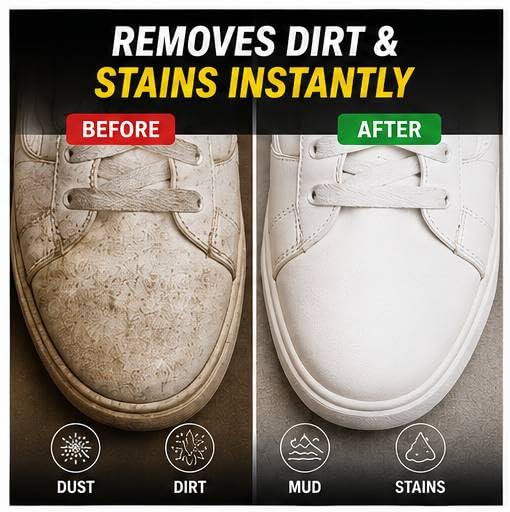
AI-generated editorial illustration; not a STEPSOFT product or a tested cleaning demonstration.
The important distinction is between washable fabric footwear and footwear that happens to have fabric on top. A plain house slipper, a padded slip-on and an embroidered ethnic pair can need different treatment because their linings, decoration and soles differ.
Start with the decision table below. If you cannot identify the materials or find care instructions, ask the seller before applying water or a cleaning product.
Can your fabric slippers be washed?
What the care instructions say
What to do
Machine-washable
Follow the exact cycle, temperature and drying instructions supplied for that model
Hand-wash only
Use the specified hand-washing method; do not substitute a machine cycle
Spot-clean only
Treat the affected area without immersing the pair
Dry-clean only
Ask a footwear-cleaning specialist about the specified treatment
No instructions, or conflicting information
Confirm the full construction and care method with the seller first
A rubber-looking outsole does not settle the question. Check the upper, lining, footbed, sole attachment and decorative details together. A fabric-covered pair with leather components should not automatically receive a washable-canvas routine.
Use this sequence only when the product’s instructions permit damp spot cleaning. It does not override a dry-clean-only label.
1. Check the pair before cleaning
Look for loose threads, lifted sole edges, peeling finishes or decoration that could catch on a cloth. If anything is already coming apart, stop and ask about repair before cleaning that area.
Keep a photograph of the stain and the care label. This helps the seller understand the problem if you need product-specific advice.
2. Remove loose surface dirt gently
Use a soft, dry cloth or a suitable soft brush on plain areas. Avoid dragging bristles across beadwork or exposed threads. Work on the sole separately so that dirt from underneath is not transferred to the upper.
3. Check cleaner compatibility
Use the cleaner and dilution recommended for the exact material. Try it on a small, inconspicuous area first and let that area dry before continuing. Stop if the colour, texture or finish changes. A successful small test is a precaution, not a guarantee for the whole pair.
4. Treat only the affected area
Dampen the cloth rather than pouring liquid onto the slipper. Work gently, with the smallest amount of moisture allowed by the care instructions. If the stain remains, do not keep increasing pressure or adding stronger products.
5. Remove residue as directed
Follow the cleaner’s removal instructions. Where a damp wipe is permitted, use a fresh cloth rather than the one holding loosened dirt. Avoid flooding seams or the join between the upper and sole.
For general footwear context, Nike’s washing guidance discourages machine washing its shoes and recommends hand cleaning and air drying. That supports a cautious approach; it is not a care instruction for every brand’s slippers.
What changes for embroidered slippers, juttis and mojaris?
Do not carry a plain-fabric cleaning recipe across to embroidery automatically. Metallic threads, beads, trims and mixed-material construction make the exact product instructions especially important.
If the label says dry-clean only, leave wet cleaning to the recommended specialist. If instructions are absent, send the seller photographs of the upper, underside and stain, together with the product name or order reference.
Use this message:
“Please confirm the upper, lining and sole materials for this model. Is damp spot cleaning allowed, and which cleaner should I use around the embroidery?”
When browsing men’s juttis and mojaris, check the exact listing rather than assuming every ethnic pair is leather, washable or constructed in the same way.
Drying and storage: finish the job properly
Allow suitable cleaned footwear to dry naturally in a ventilated place, away from direct heat. Do not use a hot hair dryer or radiator to meet a deadline. Clarks’ footwear-care guide also recommends natural air drying and storage after the pair is fully dry.
Avoid promising yourself a fixed drying time. A lightly cleaned upper and a damp padded lining are different situations. Check the lining and footbed as well as the visible fabric before wearing or storing the pair.
For an upcoming wedding or family function, plan cleaning early enough to use another pair if necessary. Do not make an important event the first test of an unfamiliar cleaner.
Common questions before you start
Can I clean fabric slippers without washing the whole pair?
Yes, if the label allows spot cleaning and the problem is local. Treating one mark does not require immersing the complete slipper. If damp cleaning is prohibited, ask about an approved alternative.
Can I use detergent, bleach or a home remedy?
Use only a treatment compatible with the exact product. Advice for white canvas trainers does not establish compatibility with coloured fabric, embroidery or a different lining. Avoid experimenting with mixtures when the maker has not provided suitable instructions.
What if the colour comes off on the cleaning cloth?
Stop. Let the test area dry and ask the manufacturer or a specialist for advice before treating a larger area. Do not assume that rubbing harder will improve the result.
Should I wash new slippers before trying them on?
Check fit and condition indoors first, following the current return terms. Cleaning or altering a new pair before resolving a sizing issue can complicate the next step. For sizing help, use our sandal and shoe size guide.
What if the page says “fabric” but gives leather-care advice?
Ask the seller to clarify which component that advice applies to. A material description should agree with the care instructions. Until the contradiction is resolved, do not apply a leather conditioner to a textile upper based on a generic page block.
Buying your next pair: include care in the decision
Before ordering, check four things: the actual materials, the model’s size chart, its care requirements and the delivery estimate for your address. A pair should suit how you plan to wear and look after it—not just the outfit in a photograph.
STEPSOFT is based in Kanpur, Uttar Pradesh. Whether you are ordering in Kanpur or Lucknow, Delhi NCR, Mumbai in Maharashtra or Bengaluru in Karnataka, confirm serviceability and the estimate for your own postcode. Being closer to the brand does not by itself establish a faster delivery promise.
The current STEPSOFT shipping policy offers free shipping on prepaid footwear orders and provides delivery estimates by region. Check its latest terms and the total payable before ordering; wedding and festive deadlines need a realistic buffer.
Prepared for STEPSOFT on 1 October 2026 using publicly available footwear-maker guidance and current store policies. This is general care guidance, not a cleaning test or approval of a treatment for a particular STEPSOFT model.