The Hidden Cost of Cheap Ethnic Footwear
Fashion Revolution Week is observed annually in the last week of April, in the days surrounding the anniversary of the Rana Plaza garment factory collapse in Bangladesh in 2013 — a disaster that killed more than eleven hundred workers and forced a global conversation about who actually makes the clothes we wear and at what cost.
The movement's central question — 'Who made my clothes?' — has expanded over the years to encompass all fashion products, including footwear. In 2026, with the Prada-Kolhapuri controversy still fresh in the global conversation about Indian craft and its relationship to international fashion, the question feels more relevant than ever.
So this week, we want to ask you a version of the same question: who made your shoes?
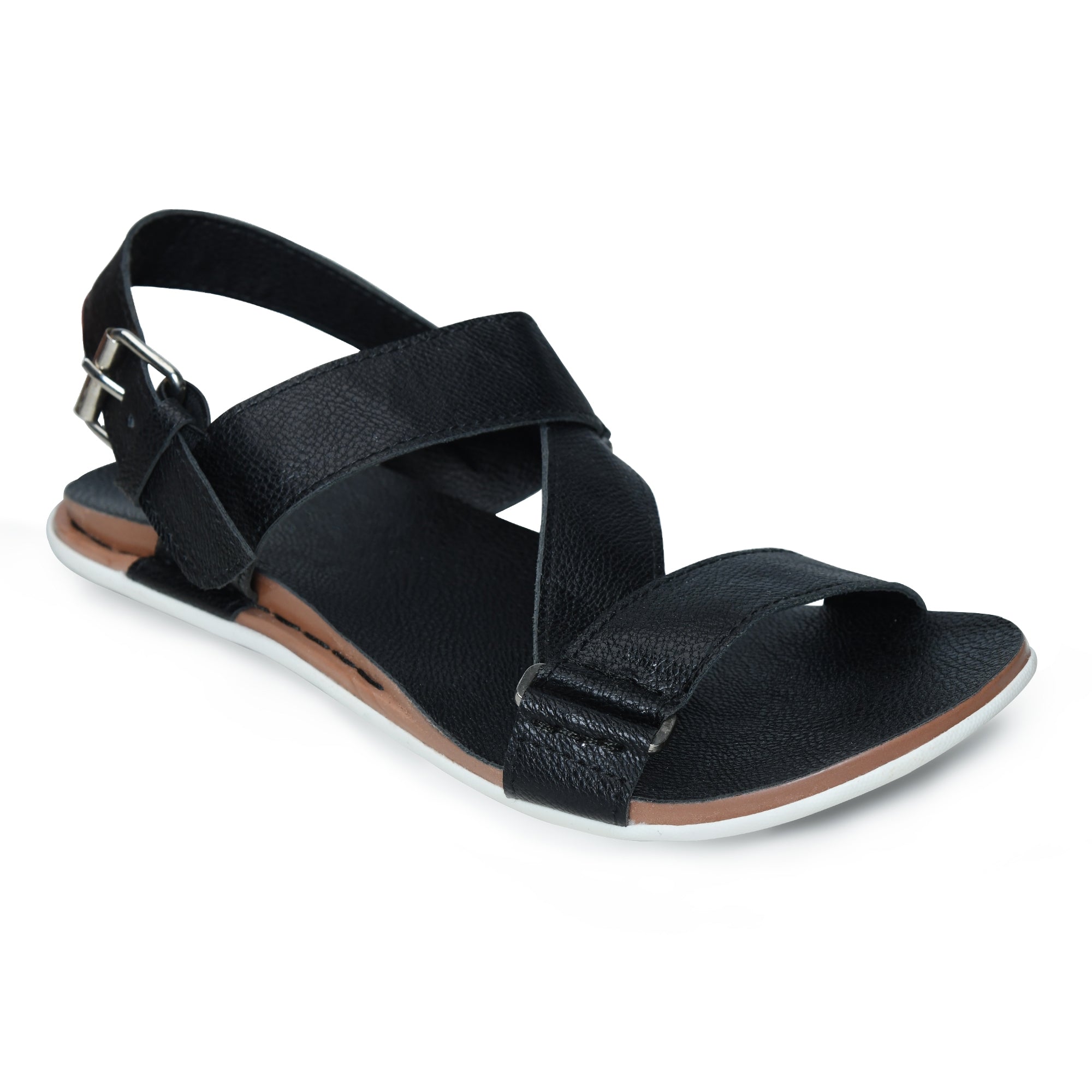
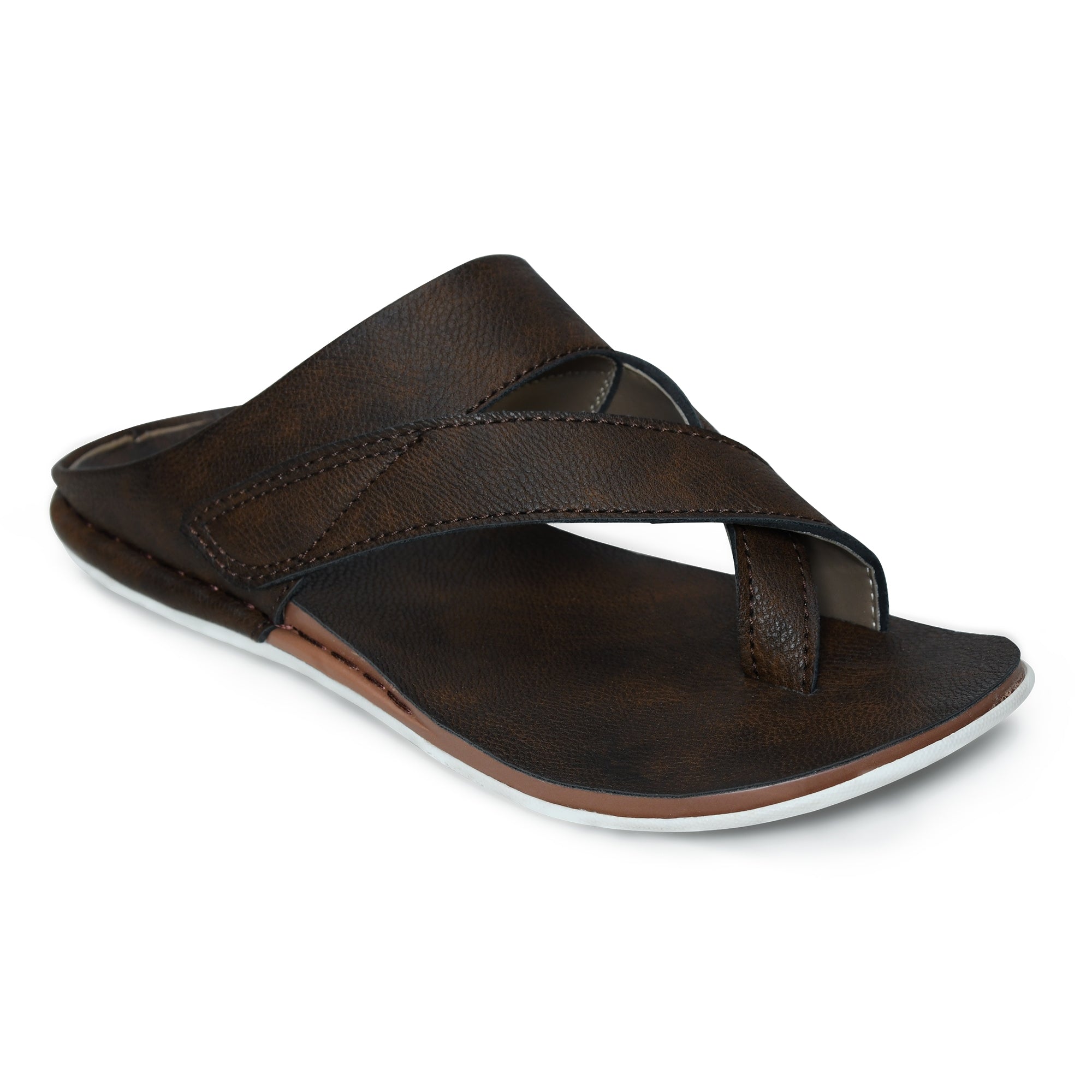
India's online marketplace is flooded with ethnic footwear — Kolhapuris, Juttis, Peshawaris, Mojaris — at prices that seem remarkable. Fifty rupees for a Jutti. Ninety rupees for a Peshawari. Two hundred for what is described as genuine leather Kolhapuri.
These prices are not possible if the footwear is genuinely handcrafted. A traditional Kolhapuri made by a skilled artisan using quality leather costs more than ninety rupees in materials alone. The economics of cheap ethnic footwear inevitably involve either synthetic materials instead of leather, machine production that displaces artisan labour, extremely low wages for the workers involved, or some combination of all three.
None of these are acceptable trade-offs if you care about the craft tradition that makes Indian ethnic footwear worth buying in the first place.
The Prada Lesson — What the Controversy Actually Revealed
The global attention paid to the Prada-Kolhapuri controversy in 2025 and 2026 revealed something important. The world — including audiences who had never heard of Kolhapuri chappals — responded to the controversy with genuine moral clarity. Taking a design that belongs to a craft community, removing its context and credit, and selling it at a luxury price was immediately and widely recognised as wrong.
But the more important question is what happens after that recognition. The artisans who produce authentic Kolhapuri chappals do not primarily need international luxury collaborations, however well-intentioned. They need consistent demand for their work, at prices that reflect its real value, from buyers who choose Indian craft over cheap alternatives.
That is a choice you can make today, without waiting for a global fashion house to act.
handcrafted Indian footwear →
Why Handcraft Matters — Beyond the Headline
Handcrafted Indian footwear carries qualities that machine-produced alternatives cannot replicate. It carries the mark of the individual artisan — variations in stitching, slight differences in leather grain, the particular way a specific pair has been burnished. These are not defects. They are evidence of human skill.
It is also more durable. A traditionally made Kolhapuri, built with layered leather soles and hand-stitched construction without adhesives or nails, is documented as capable of lasting years or decades with appropriate care. A machine-made synthetic alternative is typically designed for a lifespan measured in months. The environmental cost of replacing cheap footwear annually is significantly higher than buying one quality pair that lasts five years.
And it supports an economy. When you buy quality Indian ethnic footwear from a brand rooted in the craft tradition, you are sustaining the artisan ecosystem that makes that footwear possible. The skills involved in traditional Kolhapuri, Jutti, and Mojari production are not easily replaced if they are lost. Each generation of artisans who chooses a different livelihood because the craft does not pay enough is a permanent reduction in India's living craft heritage.
The STEPSOFT Approach — Honesty Over Marketing
We are not going to claim that buying from STEPSOFT directly saves an artisan's livelihood or preserves a tradition. The reality is more complicated than that.
What we can say is this:
- We source footwear that reflects genuine craft standards rather than the lowest possible production cost.
- We price based on what the product is actually worth rather than what the minimum viable price is.
- We do not sell synthetic materials described as leather.
- We are a company rooted in Kanpur — one of India's most significant leather and craft cities — which means we are genuinely close to the tradition we work within.
learn more about STEPSOFT →
Fashion Revolution Week asks you to think about who made your clothes. We are asking you to think about who made your shoes — and whether the price you paid reflects the real value of what you are holding.
shop the full STEPSOFT ethnic footwear collection →
Shop Ethical Indian Handcraft Footwear