What Prada Actually Did
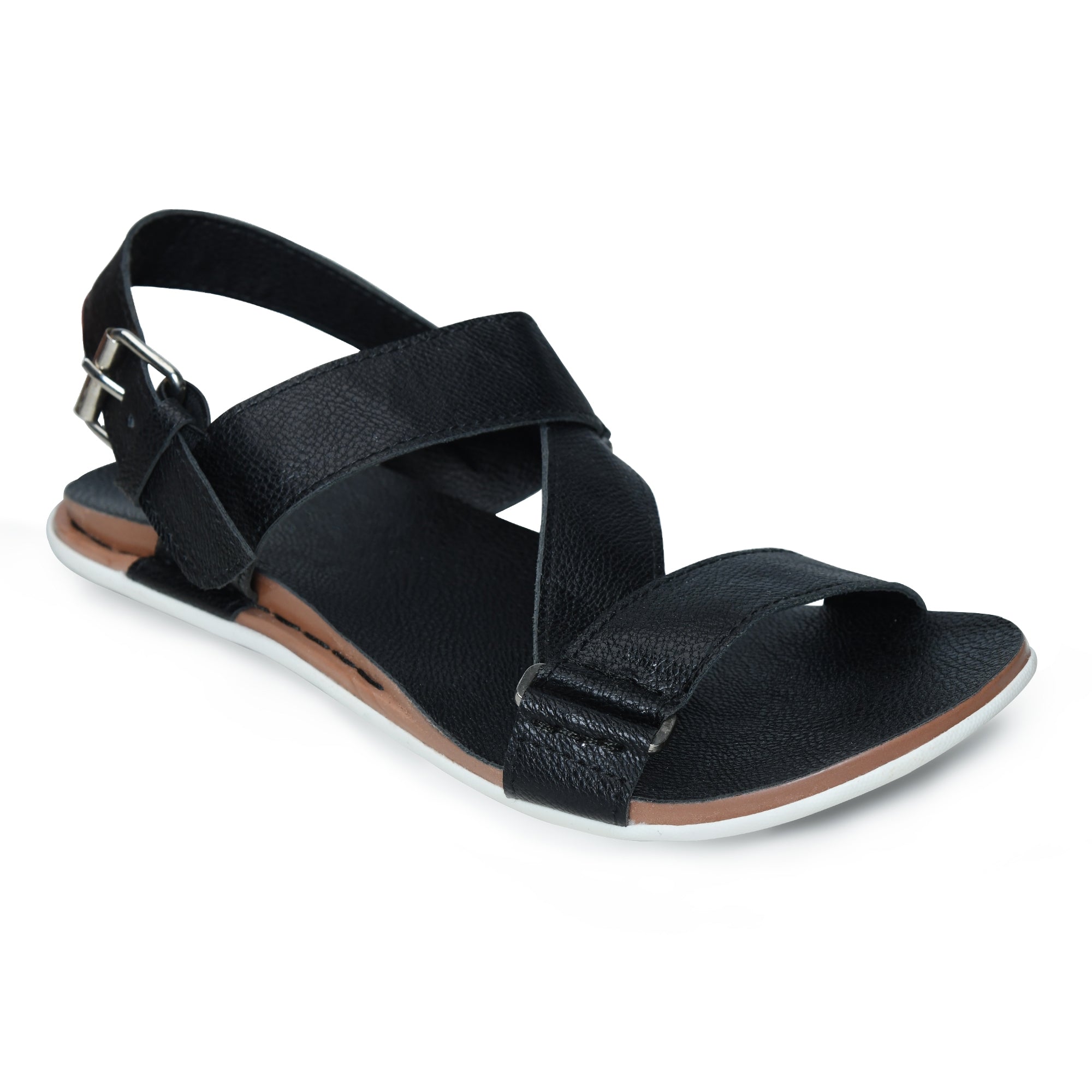
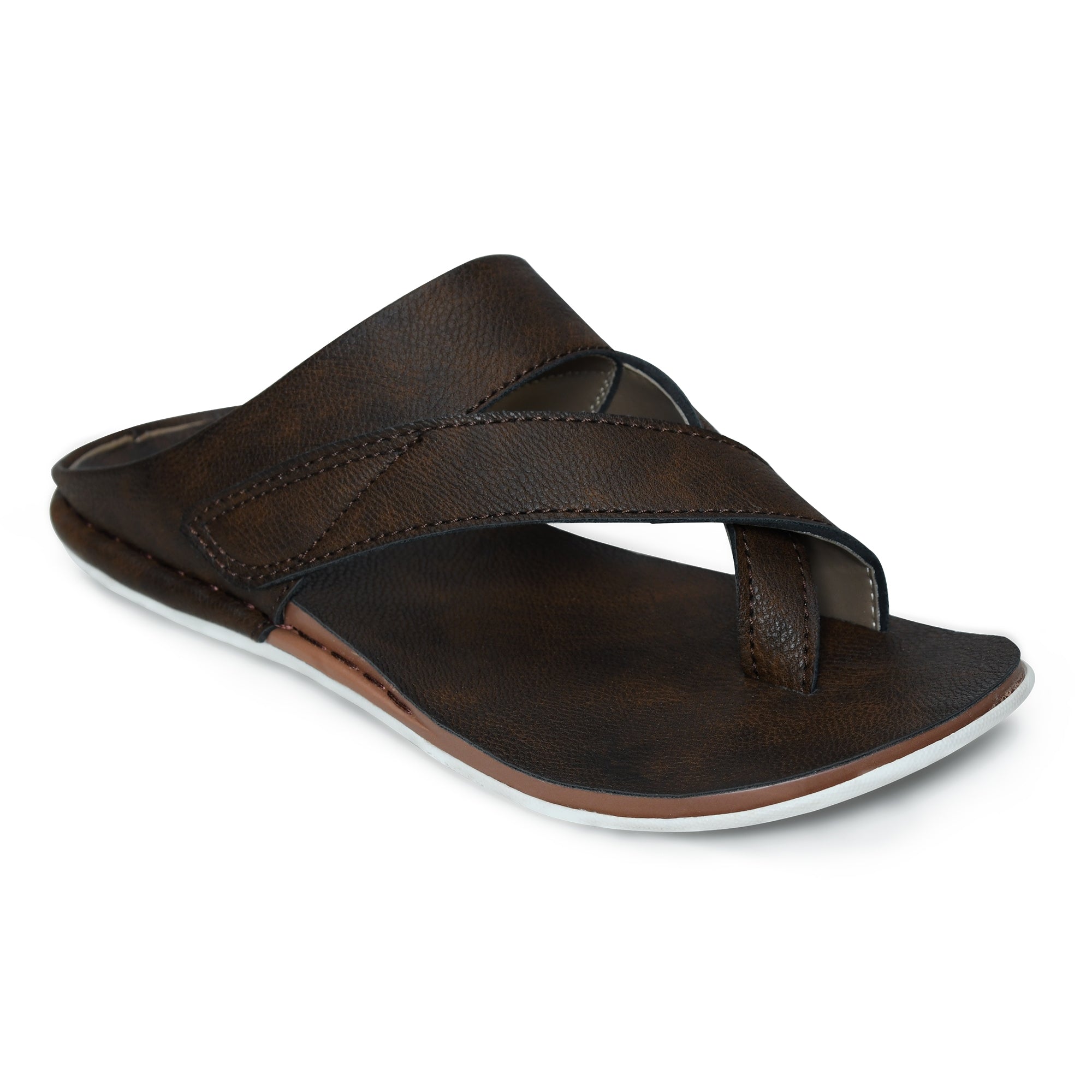
On April 27, 2026, Prada officially unveiled its limited-edition 'Made in India × Inspired by Kolhapuri Chappals' collection — a collaboration with Indian artisan cooperatives LIDCOM and LIDKAR, representing craftsmen from Maharashtra and Karnataka. The sandals, produced in India by artisans whose families have made Kolhapuri chappals for generations, are priced at approximately USD 930, or around eighty-four thousand rupees. They are available in forty Prada stores worldwide.
The Indian internet's response was, predictably, divided.
This is an attempt at an honest analysis of what actually happened — who benefits, who does not, and what it means for Indian craft beyond the headlines.
To understand whether this is a win, it helps to be precise about what happened. Prada, following a sustained backlash over its Spring/Summer 2026 menswear collection — which featured toe-ring sandals without crediting their obvious Kolhapuri chappal origins — entered a formal collaboration with two Indian artisan organisations. The resulting collection was produced in India, by Indian artisans, with what Prada described as a combination of traditional craftsmanship and the brand's own design approach and premium materials.
Prada shared the announcement through a video that highlighted the role of Indian craftsmen. Lorenzo Bertelli, the brand's head of Corporate Social Responsibility, had previously stated the company's intention to raise global awareness of Kolhapuri chappals through the partnership.
All of this is factually accurate, verifiable, and — by the standards of how luxury fashion has historically handled appropriation controversies — genuinely more responsive than what typically happens.
The Three Positions on This — And Where the Truth Sits
Position 1: This Is a Victory for Indian Craft
The optimistic view holds that the collaboration validates Indian craft on a global stage. The artisans whose work informed Prada's design are now co-creators of a luxury product available in some of the world's most prestigious retail environments. Global awareness of Kolhapuri chappals has grown. Artisan incomes may increase. Younger Indians may look at their heritage footwear differently now that it has been acknowledged by a brand like Prada.
There is real substance to this view. Cultural recognition matters. International visibility matters. The involvement of LIDCOM and LIDKAR — organisations that represent thousands of artisan families — means the collaboration is not purely symbolic.
Position 2: This Is Extractive, Just Slower
The critical view holds that the fundamental power imbalance remains unchanged. Prada controls the design, the pricing, and the distribution. The artisans produce what they are asked to produce, for a payment that is almost certainly a small fraction of the final retail price. The customers who buy this collection are buying Prada's name and Prada's brand, not the artisans' story. And a limited run of sandals at eighty-four thousand rupees, sold in forty luxury stores, touches the lives of very few artisans.
This view also has real substance. Forty Prada stores is not a meaningful shift in the artisan economy. The price point ensures the customer base is vanishingly small. And the power to decide whether this collaboration continues, ends, or evolves rests entirely with Prada, not with LIDCOM or LIDKAR.
The More Useful Position: Both Are True
The Prada collaboration is simultaneously a genuine step forward and an insufficient response to the scale of the challenge. It raised awareness — that is measurably true. But awareness alone does not sustain an artisan economy. Consistent demand does. Fair pricing does. Indian consumers choosing authentic Indian craft over cheap imitations does.
authentic Kolhapuri chappal for men →
What Actually Helps Indian Craft Artisans
The artisan communities that make Kolhapuri chappals, Juttis, and Mojaris do not primarily need luxury validation. They need markets. They need the craft to be economically viable for the next generation of artisans — young people who will otherwise choose better-paying careers in other sectors.
The way that happens is not primarily through a Prada collaboration. It happens when Indian consumers, in sufficient numbers, choose to buy quality handcrafted ethnic footwear rather than the cheapest available alternative. It happens when a D2C brand selling authentic Indian footwear at honest prices builds enough customer loyalty to sustain consistent orders from artisan producers. It happens when the story of Indian craft is told repeatedly, specifically, and with cultural pride — not as an exotic novelty for the international market but as a living heritage for Indian buyers.
That is the work. The Prada moment was a spotlight. The question is what you do when the spotlight moves on.
The Bottom Line
The 'Made in India' Kolhapuri collection is, on balance, a positive development. It is more honest than most luxury brand responses to appropriation controversies. The artisan involvement is genuine. The awareness raised is real.
But the most meaningful way to support Indian craft is not to buy the eighty-four thousand rupee version from a European luxury brand. It is to buy the authentic Kolhapuri — made in India, by Indian artisans, at Indian prices — from an Indian brand.
shop the real Kolhapuri at Indian prices →
Shop Authentic Kolhapuri — Made in India, Priced for India