The FDCI India Men's Weekend, presented by the Fashion Design Council of India in association with House of Glenfiddich, was held on February 7 and 8, 2026. For two days, India's most relevant menswear designers presented their work to an audience of buyers, press, and fashion industry professionals.
One of the clearest signals from the event — consistent across designers and conversations — was this: ethnic footwear is no longer a regional or traditional choice in Indian menswear. It has become the contemporary choice.
What the Runway Told Us About Indian Menswear in 2026
The broader direction of Indian menswear in 2026 has been building for several years. The boundaries between ethnic and western have become less relevant. Indian designers are no longer asking whether to incorporate ethnic elements — they are asking how. And footwear has become one of the primary vehicles for this expression.
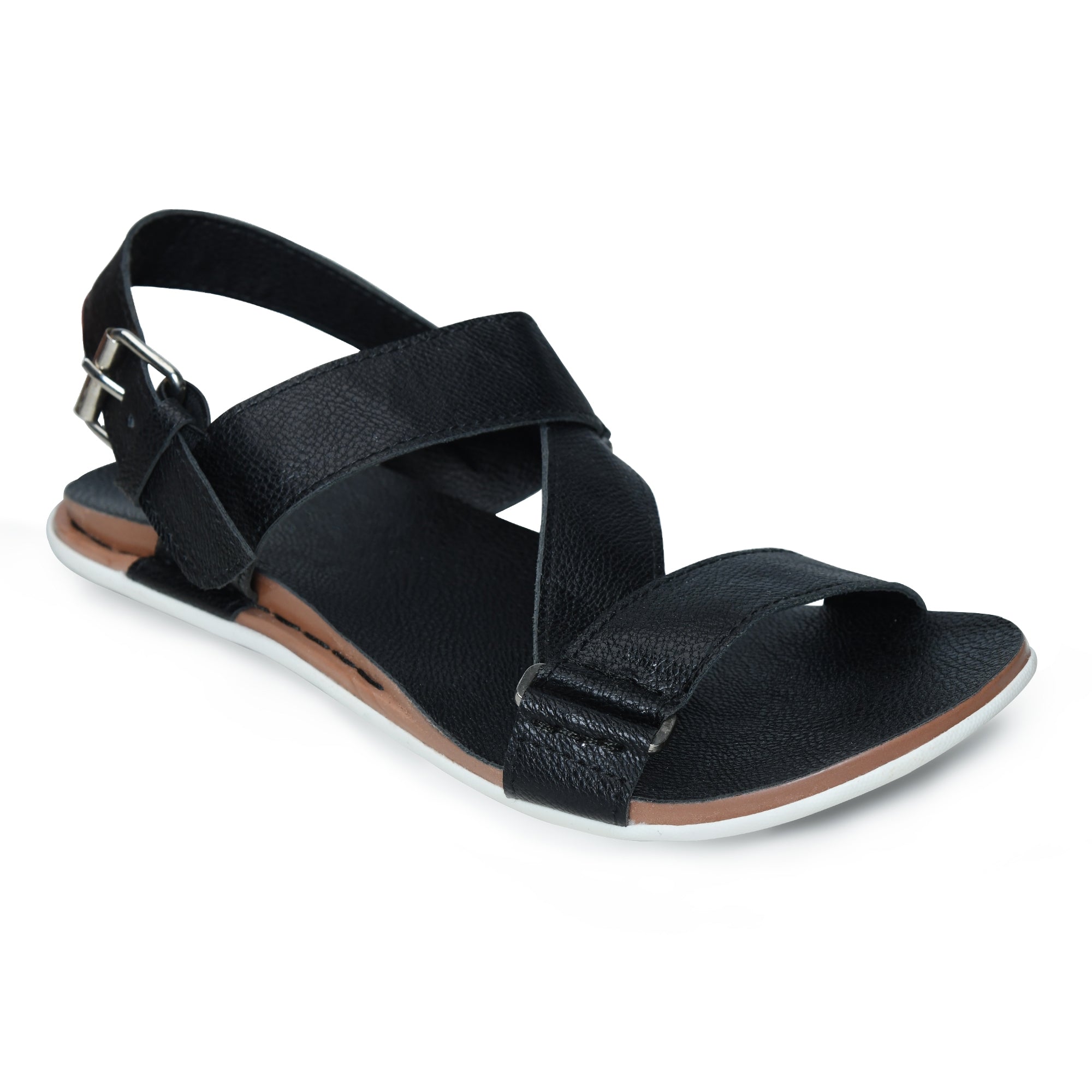
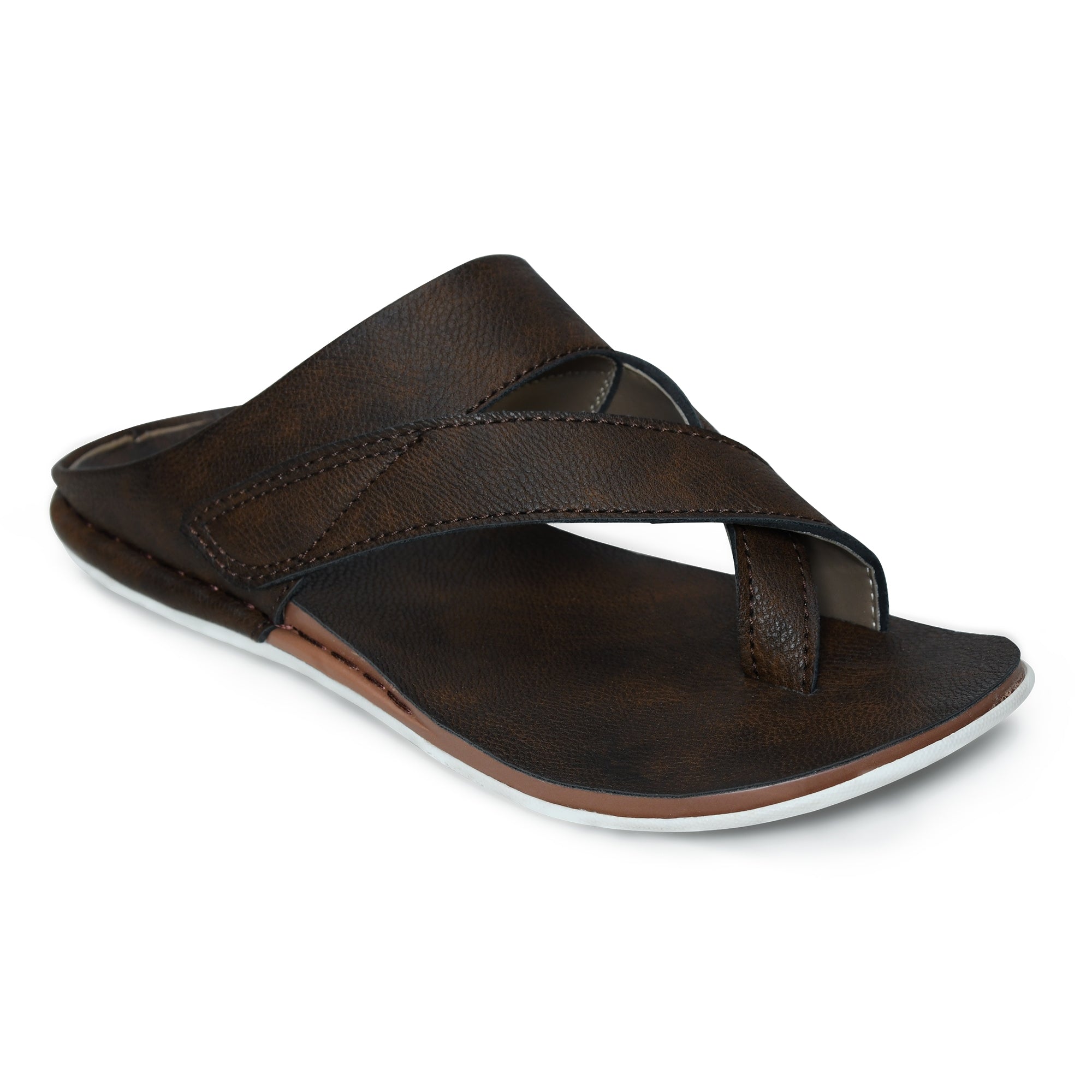
The reasons are practical as much as aesthetic. Ethnic footwear — Kolhapuri, Peshawari, Jutti, Mojari — has a design richness that is difficult to replicate in western-style shoes. The braided leather, the toe ring, the upturned sole, the embroidery: these are details that come from a craft tradition with centuries of refinement behind them. When contemporary Indian designers want to ground a modern outfit in Indian identity, the footwear is often where they start.
Five Footwear Trends That Emerged From the Conversation
Trend 1: The Minimal Kolhapuri Paired with Western Silhouettes
This combination has been gaining traction for the last two years and 2026 appears to be the year it fully crosses over into mainstream acceptance. A plain tan or dark brown Kolhapuri worn with slim trousers and a linen shirt creates an effortlessly Indian look without any deliberate ethnic signaling. The footwear does the cultural work quietly.
Browse Kolhapuri chappal for men →
Trend 2: The Loafer as the Formal Ethnic Shoe
The ethnic loafer occupies a space that traditional ethnic footwear does not always fill: formal enough for professional settings, Indian enough to feel intentional, and versatile enough to wear with kurta-trouser combinations that are increasingly common in Indian offices and formal social settings.
Browse ethnic loafers for men →
Trend 3: Earthy and Natural Tones Dominating
The colour story in Indian menswear for 2026 skews warm and natural — tan, sand, caramel, deep brown, olive, and off-white. This palette is highly compatible with leather ethnic footwear, which tends to come in exactly these tones. The trend removes the styling question for most men: your ethnic shoes will likely already match.
Trend 4: Handcraft and Visible Texture as a Design Statement
Across multiple collections at the event and in the broader conversation about Indian fashion in 2026, handcraft has become a value proposition, not just a description. Consumers increasingly want to know that the object they are wearing was made by skilled hands. Ethnic footwear — particularly Kolhapuri and traditionally made Juttis — carries this quality intrinsically.
Trend 5: Suede and Matte Finishes Over Shiny Leather
The glossy leather shoe is losing ground to suede and matte finished options in Indian menswear. The Peshawari in suede, in particular, has become a go-to for stylists working on editorial and runway looks that want to combine structure with a more contemporary, understated finish.
Browse Peshawari sandals for men →
How to Wear These Trends Without a Stylist
The most practical takeaway from the current direction of Indian menswear is this: if you are already wearing kurtas regularly, the addition of proper ethnic footwear is the single highest-return upgrade you can make. It elevates every ethnic outfit you already own without requiring any new clothing.
Start with one pair. The Kolhapuri if you want maximum versatility. The loafer if you want something that bridges ethnic and formal. The Peshawari if you are drawn to the structured, masculine profile that is increasingly visible on the runway.
None of these require a fashion education to wear well. They just require a decision.
Explore the full STEPSOFT ethnic footwear collection →
Shop 2026 Trend-Forward Ethnic Footwear