With over two hundred auspicious wedding dates spread across the 2026 calendar — with February, March, April, May, and June being particularly active months — India's wedding season is in full swing. The groom's outfit receives enormous attention. The Sherwani, the colour, the embroidery, the jewellery — all of it is planned months in advance.
The footwear is an afterthought. And it should not be.
The groom's shoes are visible in nearly every wedding photograph. They are part of the Joota Chupai ritual, which means they will be quite literally in everyone's hands at some point during the ceremony. And they are what you will be standing and walking in for six to twelve hours across multiple functions. Getting the footwear right matters more than most grooms realise until after the wedding.
This guide covers everything: the four main styles, how to match them to your outfit, sizing considerations, and when to buy to make sure they are broken in before the day.
The Four Classic Footwear Styles for Indian Grooms
1. The Mojari — Most Popular, Most Versatile
The Mojari is a slip-on ethnic shoe with a slightly upturned toe, originating from North Indian craft traditions spanning Punjab, Rajasthan, and Uttar Pradesh. For weddings, it is the most widely chosen groom's footwear — and for good reason.
Mojaris are available in an enormous range of embellishment levels: from simple, plain leather versions in tan or brown to heavily embroidered pieces with zari work, mirror detailing, and multi-coloured thread patterns. This range means there is a Mojari appropriate for every kind of wedding, from intimate destination celebrations to large traditional functions.
Browse wedding Mojari for men →
2. The Nagra — The Princely Classic
The Nagra is a structured leather shoe with a pointed or rounded toe, most associated with Rajasthani and North Indian royal dress traditions. It is more structured than the Mojari — closer to a formal shoe in silhouette — and carries a slightly more regal, composed aesthetic.
Nagras work particularly well with structured Sherwanis and heavily formal wedding outfits. If the Mojari is the festive choice, the Nagra is the composed choice. White Nagras, ivory Nagras, and embellished gold Nagras are among the most popular for grooms.
3. The Jutti — The Punjabi Classic
The Jutti is a flat slip-on shoe with a closed toe, associated most strongly with Punjab and Northern India more broadly. It is less upturned than the Mojari and typically flatter in profile. Juttis for grooms range from simple tan leather to heavily embroidered pieces designed specifically for the wedding day.
The Jutti is the right choice if you prefer a lower profile shoe — one that does not draw too much attention but still carries the right cultural identity for a traditional Indian wedding.
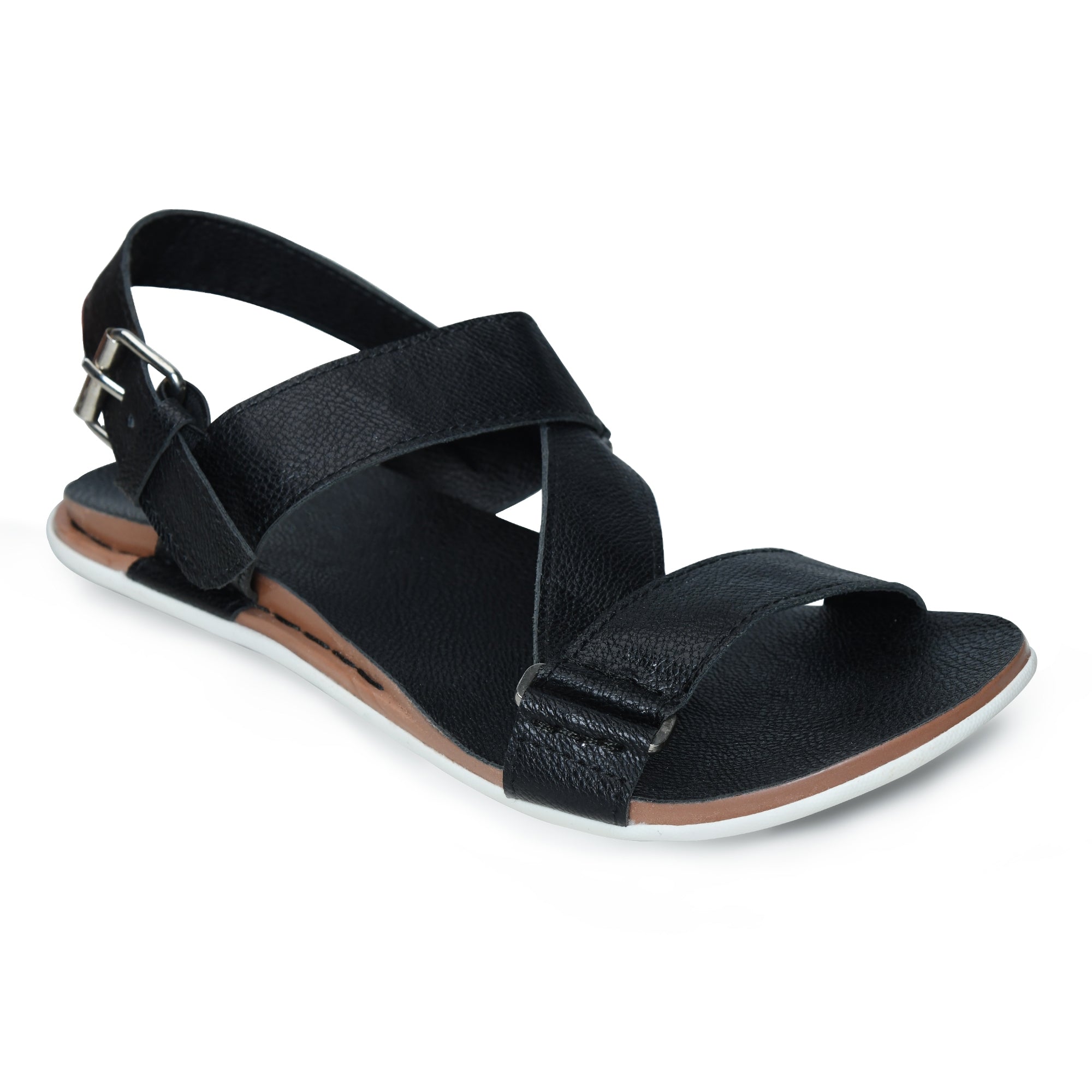
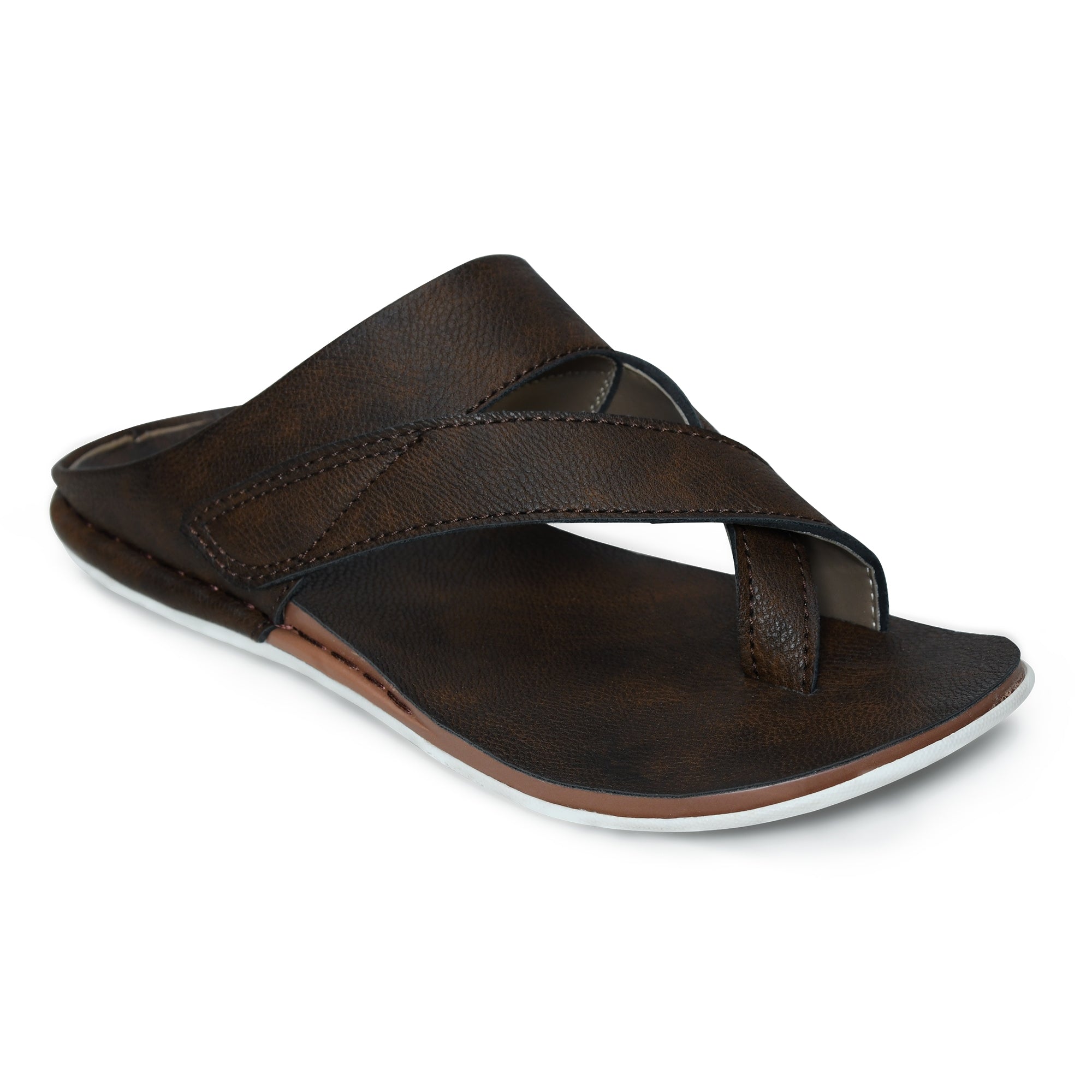
4. The Kolhapuri — For the Understated Groom
Not every groom wants heavily embellished footwear. For wedding functions that are more casual — a mehendi, a pre-wedding gathering, or a destination wedding with a relaxed dress code — a premium Kolhapuri in tan or brown leather is an entirely appropriate choice. It is traditional, elegant in its simplicity, and more comfortable for a full day of activity than most embellished options.
Browse Kolhapuri chappal for men →
How to Match Wedding Footwear to Your Sherwani
The most reliable rule is to match the metal tone of your footwear embellishment to the metal tone of your outfit embellishment. Gold Sherwani work calls for gold Mojari or Nagra. Silver Sherwani work calls for silver or ivory footwear.
| Sherwani Colour |
Best Footwear Colour |
| White / Ivory |
Ivory, cream, or champagne |
| Red / Maroon |
Gold or cream |
| Blue |
Tan, brown, or gold |
Avoid trying to match the footwear colour exactly to the Sherwani colour. Exact matches in different materials almost always look slightly off. A complementary contrast almost always looks intentional and polished.
When to Buy — And Why Timing Matters
For embellished wedding footwear, buy at minimum four to six weeks before the wedding. This gives you enough time to break the shoes in before the day.
New ethnic footwear, particularly leather Mojaris and Nagras, can feel firm during the first few wears. The toe area may feel tight, and the insole will not have softened yet. Wearing them for one to two hours each day over three to four weeks ensures they are fully comfortable by the wedding day.
Buying the week before is the most common mistake grooms make. The result is an uncomfortable wedding day.
Sizing for Wedding Footwear — What to Know
Your foot swells during long events, particularly in warm weather. May and June weddings in India are in full summer heat. When selecting your wedding footwear, factor in this swelling — if you are between sizes, size up rather than down.
Also remember that heavily embellished footwear may have a stiffer upper than everyday ethnic shoes. Allow extra time to break these in.
Explore the full wedding Mojari and Nagra collection →
Shop Wedding Footwear for Grooms