Most Indian men approach ethnic footwear the same way they approach an umbrella. They do not think about it until the moment they need it. Then they grab whatever is available — usually the same old pair that has been sitting in the corner of the cupboard for two years — and deal with the consequences.
This is not a style problem. It is a planning problem.
Building a proper ethnic footwear wardrobe does not require spending a lot of money or making complicated decisions. It requires owning three specific pairs — each serving a different purpose — and buying them in the right sequence. Here is the complete guide.
Why Three Pairs?
One pair is never enough because no single shoe works across all the different occasions that Indian life demands. The footwear appropriate for a casual family Diwali gathering is not the footwear appropriate for your cousin's wedding. The footwear that works for an office ethnic day is different from what you need for a Karva Chauth or a Navratri garba night.
Two pairs is often one short — most people end up with an everyday pair and a wedding pair, with nothing in between for the wide middle ground of semi-formal ethnic occasions.
Three pairs covers everything. Here is exactly what those three should be.
Pair One — The Everyday Ethnic: The Kolhapuri
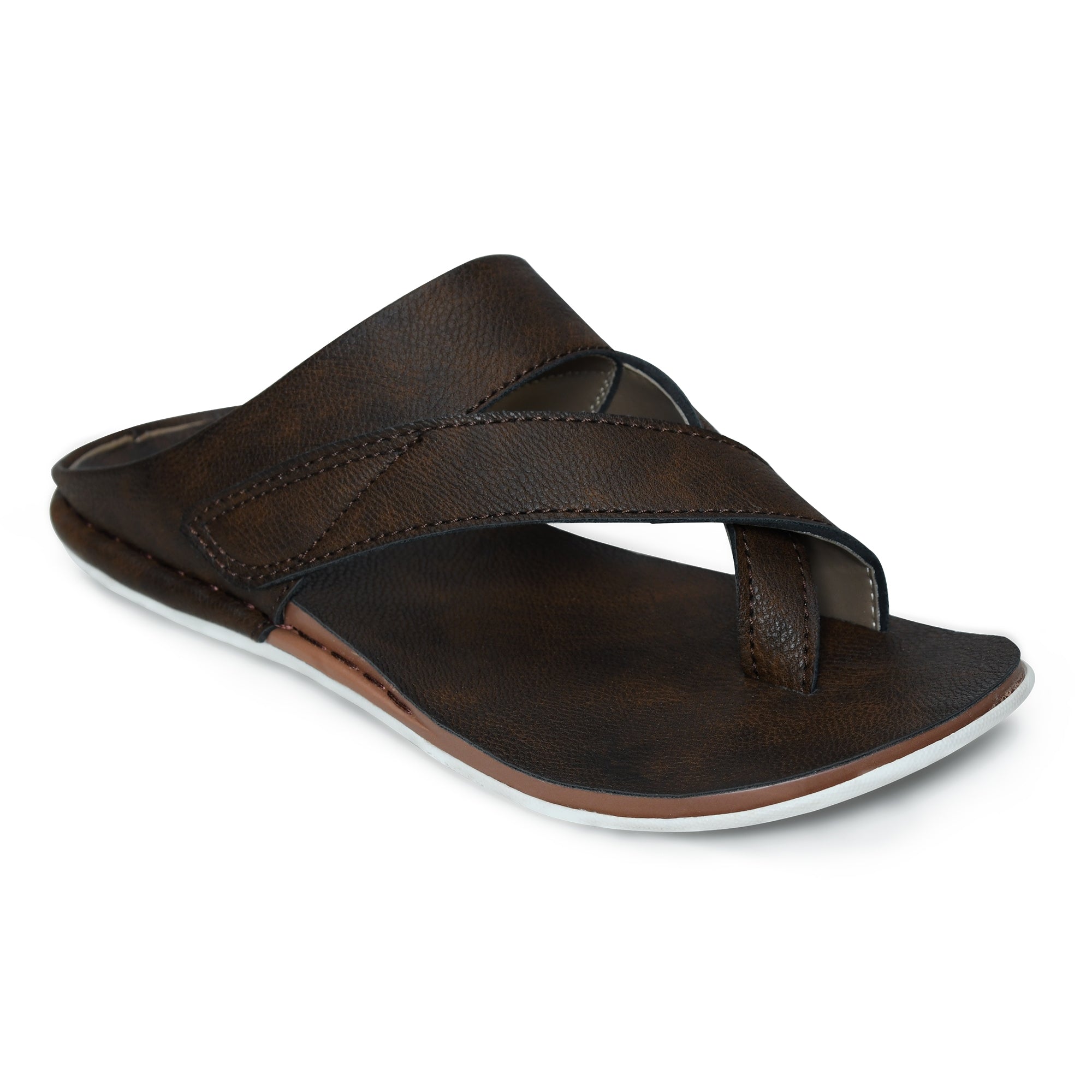
The Kolhapuri is the foundation of any Indian ethnic footwear wardrobe. It is the most versatile, the most culturally grounded, and the one pair that you will genuinely wear regularly rather than saving for special occasions.
A good Kolhapuri in tan or dark brown leather works with:
- Casual cotton kurtas
- Linen shirts and trousers
- White kurtas for festival occasions
- Jeans with a linen or casual kurta
- Everyday Indian ethnic wear of any kind
It is also the most comfortable for all-day wear once properly broken in, which typically takes two to three weeks of regular use. After that, it molds to your foot and becomes one of the easiest shoes you own to wear for long periods.
What to look for: genuine leather upper, layered leather or rubber sole with reasonable grip, a toe ring that is correctly proportioned for your foot, and a size that allows a small amount of room (the leather will tighten as it molds).
Browse Kolhapuri chappal for men →
Pair Two — The Structured Ethnic: The Peshawari or Ethnic Loafer
The second pair fills the space between casual ethnic wear and formal occasions. It is more polished than the Kolhapuri and more versatile than the wedding Jutti. Think of it as the ethnic equivalent of a good formal shoe.
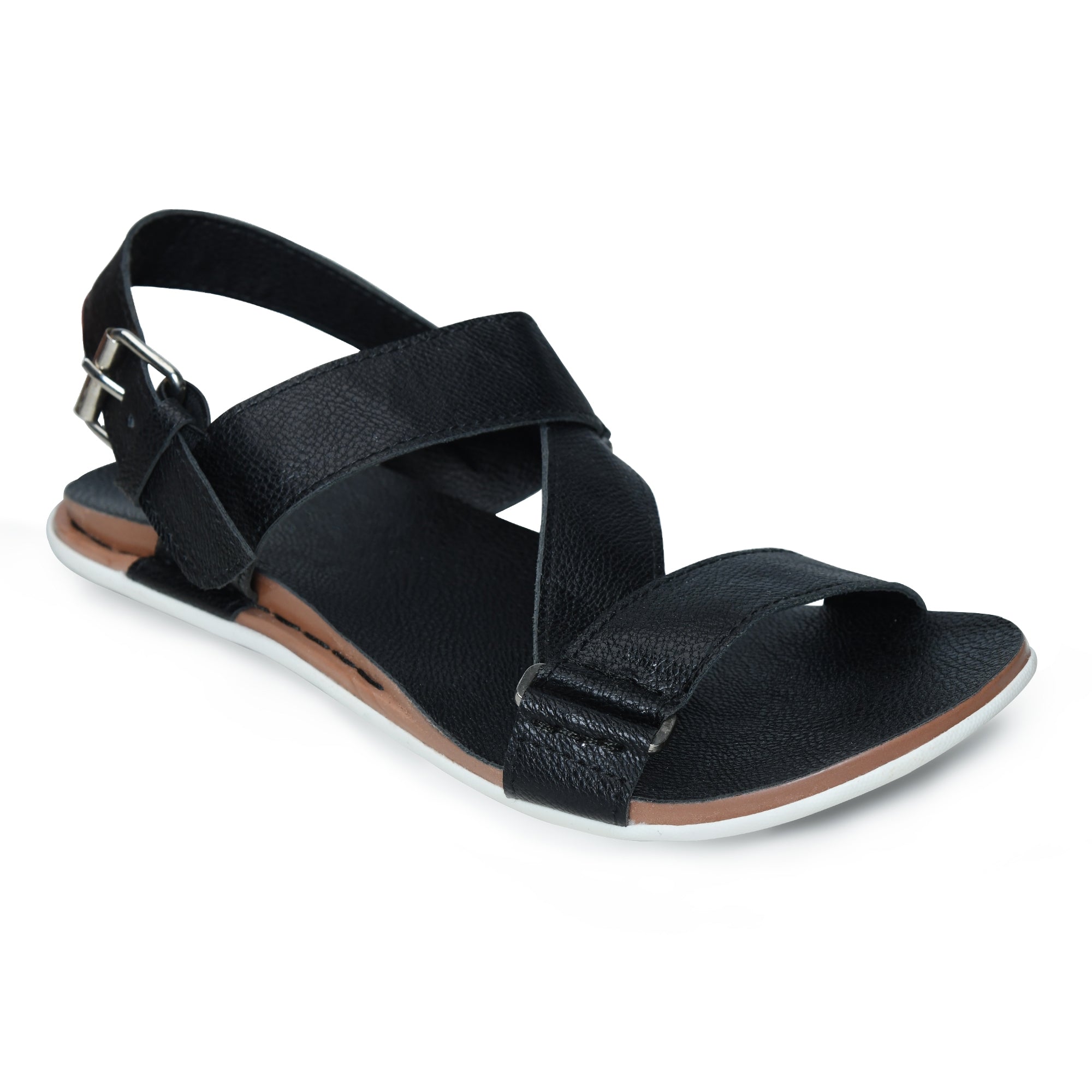
The Peshawari sandal is the traditional choice for this slot. Closed-toe, adjustable, structured — it works with formal kurta-pyjama, Pathani suits, and semi-formal ethnic wear. It reads as deliberate and composed without being overly festive.
The ethnic loafer is the contemporary choice. If you wear kurta-trouser combinations for office or social settings, a well-made ethnic loafer in tan or black is significantly more versatile than the Peshawari for those contexts.
Choose based on your lifestyle. If you are more traditionally-oriented in your ethnic wear choices, go with the Peshawari. If your ethnic wear tends toward contemporary fusion, the loafer is the stronger choice.
Browse Peshawari sandals for men →
Browse ethnic loafers for men →
Pair Three — The Occasion Shoe: The Jutti or Mojari
The third pair is for the times when nothing else will do. Weddings. Major family celebrations. Festival gatherings where the occasion calls for genuine effort. Formal events where traditional ethnic dress is expected.
The Jutti or Mojari fills this slot. It is more embellished, more deliberately festive, and more clearly an occasion shoe than the first two pairs. It should not be your everyday shoe — which is exactly why it looks right at a wedding when everything else comes together.
For most Indian men, a single pair of Juttis or Mojaris in a neutral embellishment level — not too plain, not heavily embossed — covers the full range of occasions that the third pair needs to handle.
Browse Juttis and Mojaris for men →
The Bonus Pair — Daily Comfort: Premium Slippers
Strictly speaking, this is outside the three-pair framework, but worth mentioning. A quality pair of premium leather slippers — the kind with a cushioned footbed and anti-skid sole — is what most Indian men reach for at home, for morning walks, and for casual daily use.
This is not an ethnic footwear statement. It is just a genuinely useful pair that will get used more frequently than any of the three above. If your budget allows for a fourth pair, this is where to invest.
Browse men's slippers India →
Building the Wardrobe — The Smart Sequence
Do not try to buy all three at once. Spread it across a few months.
| Month |
What to Buy |
Why |
| Month 1 |
Kolhapuri |
Most immediately useful — start breaking in right away |
| Month 2 |
Peshawari or Loafer |
Covers semi-formal occasions while Kolhapuri is breaking in |
| Month 3–4 |
Jutti or Mojari |
Buy ahead of a specific occasion — allows proper break-in time |
Buying three to four months before a major celebration gives you enough time to break them in properly.
Start Building Your Ethnic Footwear Wardrobe