Maha Shivratri — the great night of Lord Shiva — is one of the most significant festivals in the Hindu calendar. In 2026, it is observed on February 18. It is a night of vigil, prayer, and devotion. Across North India and beyond, devotees fast through the day, visit temples, and remain awake through the night in worship.
It is also a night on which millions of Indian men choose to dress in traditional attire. The combination of fasting, temple visits, and the sacred weight of the occasion makes it one of the most deliberate dress occasions in the Indian year.
Here is everything you need to know about dressing appropriately — with particular attention to footwear, which becomes especially relevant given the nature of temple worship.
Why Footwear Matters for Maha Shivratri
At any temple visit, shoes are removed before entering the sacred space. On Maha Shivratri — when temple attendance is at its highest and queues can stretch for hours — you will be removing and putting your footwear on and off repeatedly. You may be standing or sitting on stone floors or outdoor courtyards for long periods.
This makes footwear choice a practical consideration as much as an aesthetic one. Easy to slip on and off. Comfortable for hours of standing and walking. Appropriate to the occasion.
Western shoes — lace-up sneakers, formal oxfords, boots — are impractical for temple visits. Ethnic slip-on footwear is the obvious and historically correct choice.
The Best Ethnic Footwear for Maha Shivratri
The Kolhapuri Chappal — The Classic Choice
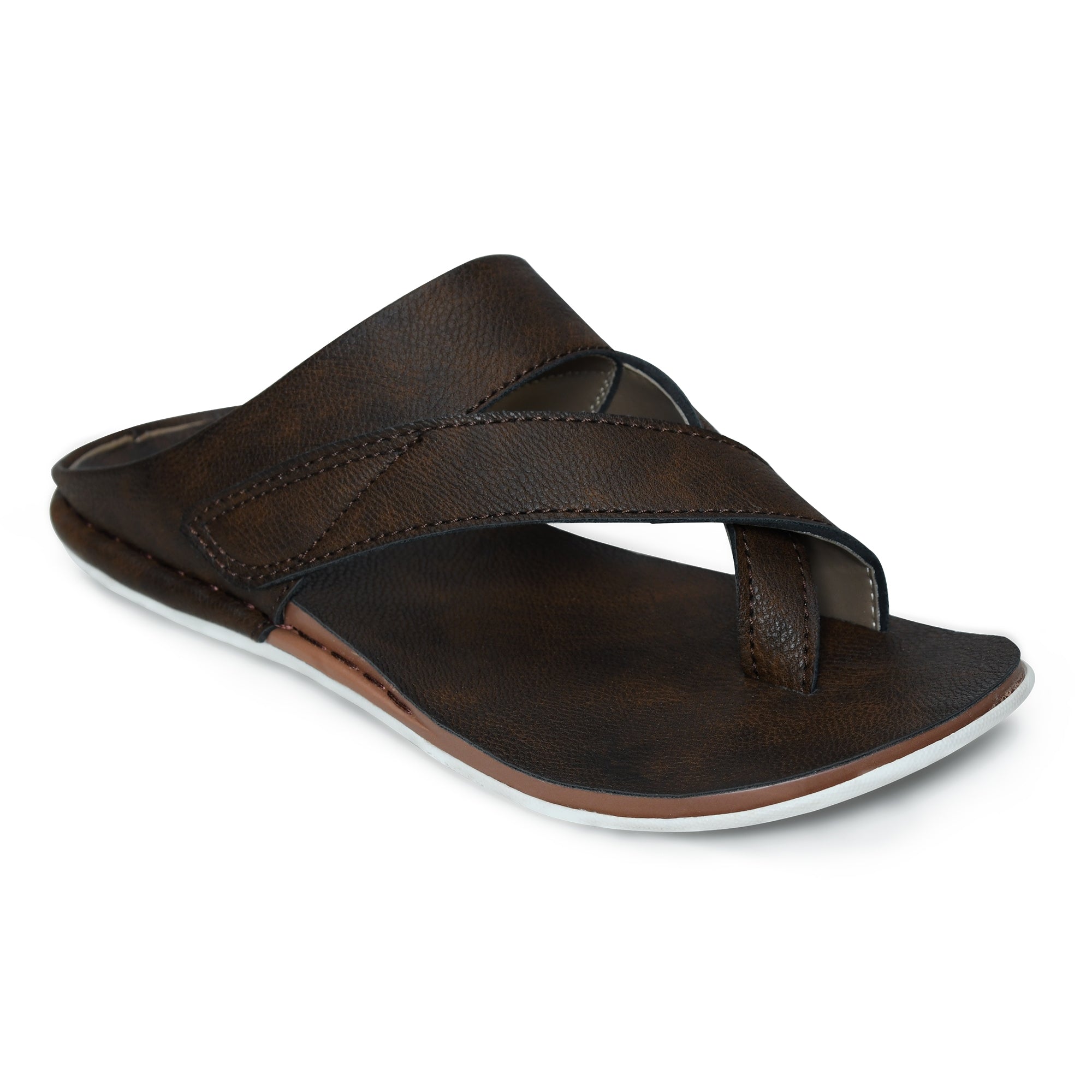
The Kolhapuri is the most natural choice for a festival like Maha Shivratri. It slips on and off easily, requires no laces or buckles, and pairs effortlessly with the dhoti, kurta-pyjama, and other traditional attire most men choose for the occasion.
For Maha Shivratri specifically, go with a simple, unembellished Kolhapuri in tan or brown leather. The occasion calls for restraint rather than display — the simplicity of the footwear matches the devotional spirit of the night.
Browse Kolhapuri chappal for men →
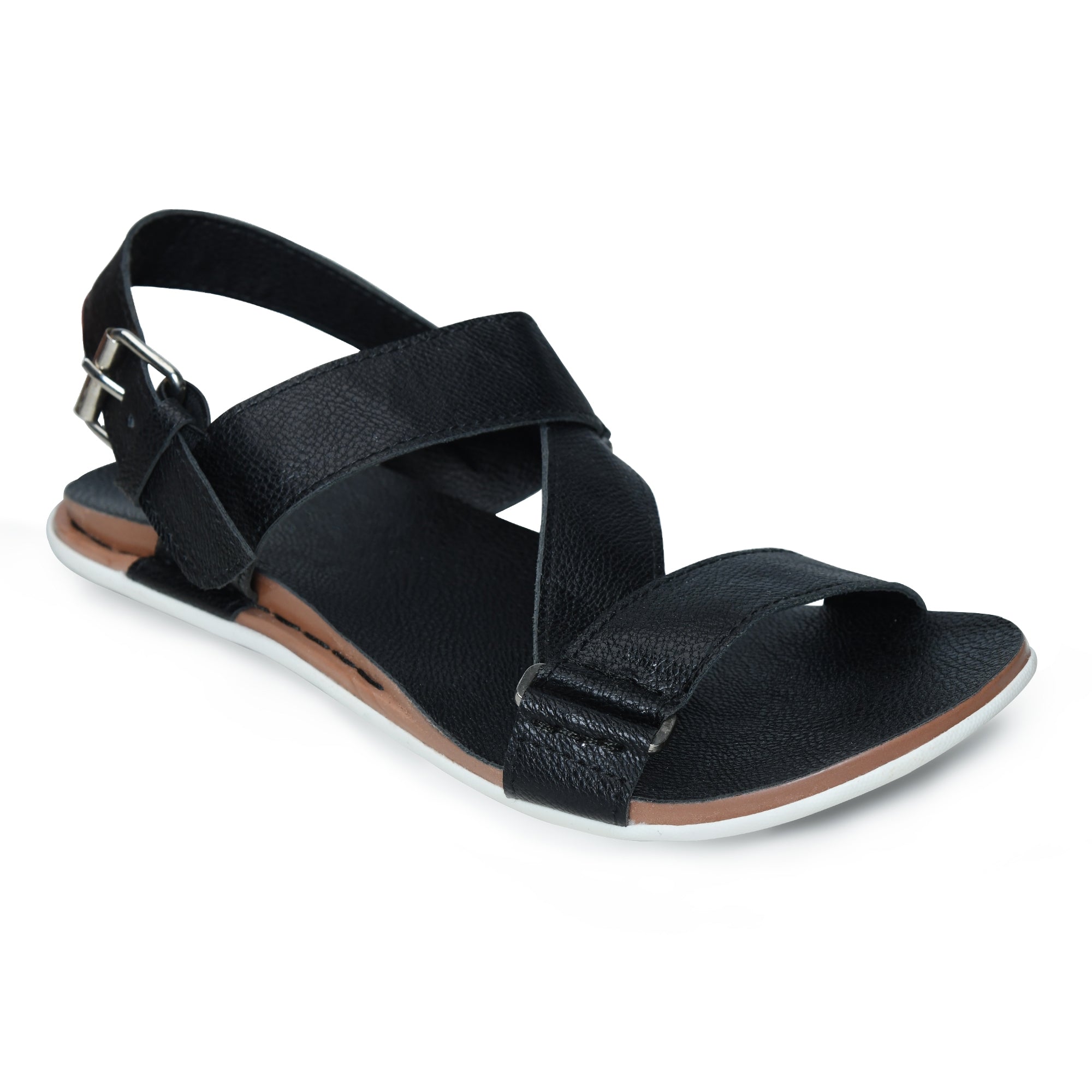
Simple Leather Slippers — The Comfort Choice
If you are attending a temple where the queue is particularly long or where you will be doing considerable walking on uneven ground, a pair of flat leather slippers — the V-strap or toe-ring style — offers the easiest on-off experience with good sole grip.
These are also appropriate if the weather is cold enough that a more closed shoe would be preferable in the outdoor queuing areas.
Browse men's slippers India →
Traditional Dress for Maha Shivratri — The Full Picture
The most traditional Maha Shivratri attire for men is a white dhoti with a white kurta or an angavastram (a rectangular cloth draped over the shoulder). White is associated with purity and is widely worn on sacred occasions. Saffron — the colour associated with renunciation and devotion — is the second most common choice.
For men who find the dhoti impractical, a white kurta-pyjama is entirely appropriate. The important thing is the intention behind the attire — simplicity, cleanliness, and respect for the sacred occasion.
Accessories should be minimal. Heavy embroidery, elaborate embellishments, or anything that draws attention away from the devotional purpose of the night is out of place.
If You Are Fasting — Practical Considerations
Many men observe a complete or partial fast on Maha Shivratri, consuming only water, fruit, or specific permitted foods through the day and night. Fasting can cause some people to feel physically lighter or slightly unsteady during long periods of standing.
From a footwear perspective, this means extra comfort matters. Avoid footwear that requires breaking in — wear a pair that is already comfortable. The last thing you need during a night of devotion is footwear that is causing discomfort alongside the physical demands of the fast.
The Evening Celebration — After the Vigil
In many communities, Maha Shivratri is followed by a celebratory meal and gathering after the night vigil ends at dawn. If you transition from the formal devotional portion of the night to a family celebration in the morning, the same Kolhapuri or leather slippers are perfectly appropriate. There is no need to change footwear.
Shop traditional ethnic footwear for festivals →