Lakme Fashion Week, held in partnership with the Fashion Design Council of India, returned to Mumbai from March 19 to 22, 2026. It is India's most important fashion runway event — not because of what happens on the catwalk alone, but because of what the catwalk signals about where Indian fashion is heading across the next six to twelve months.
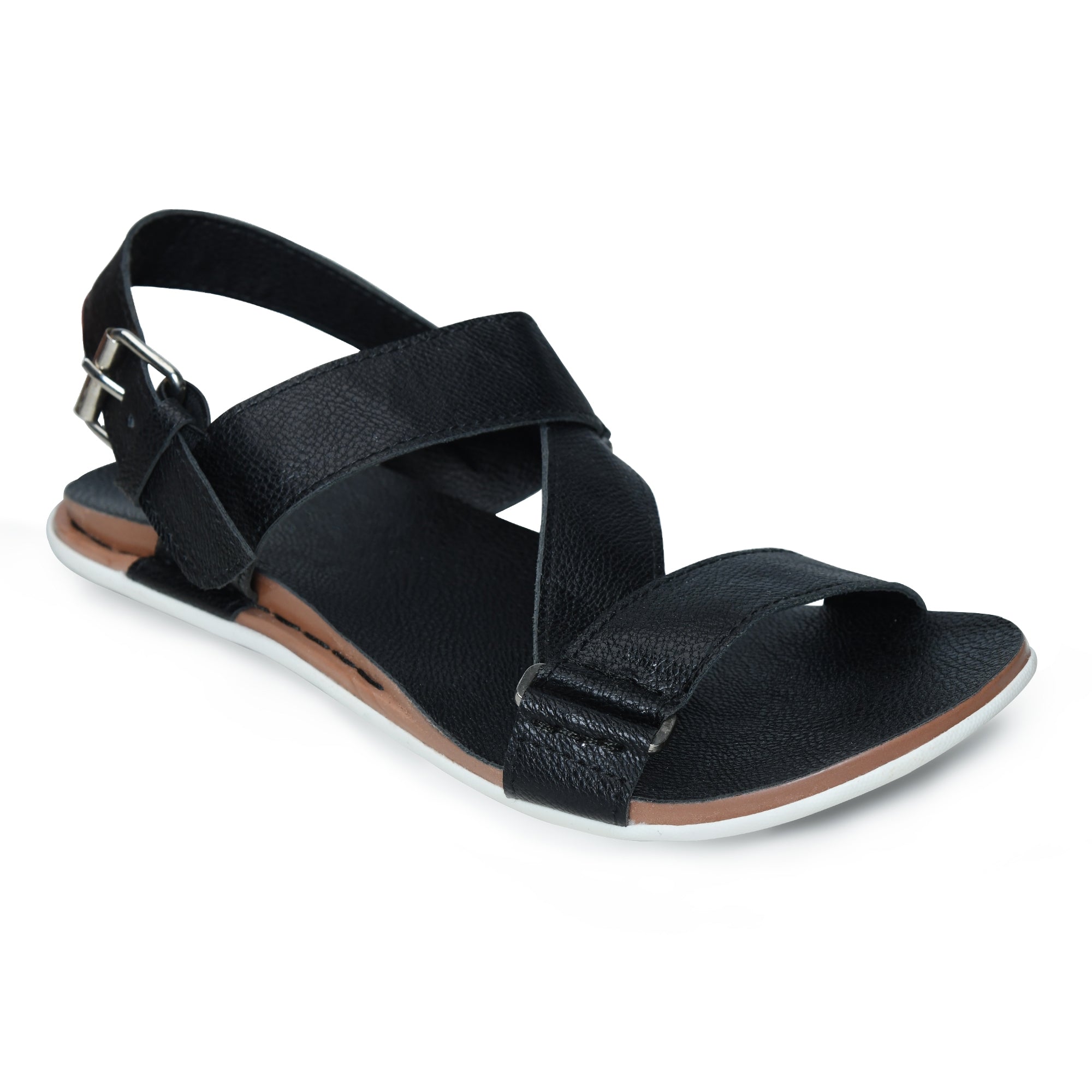
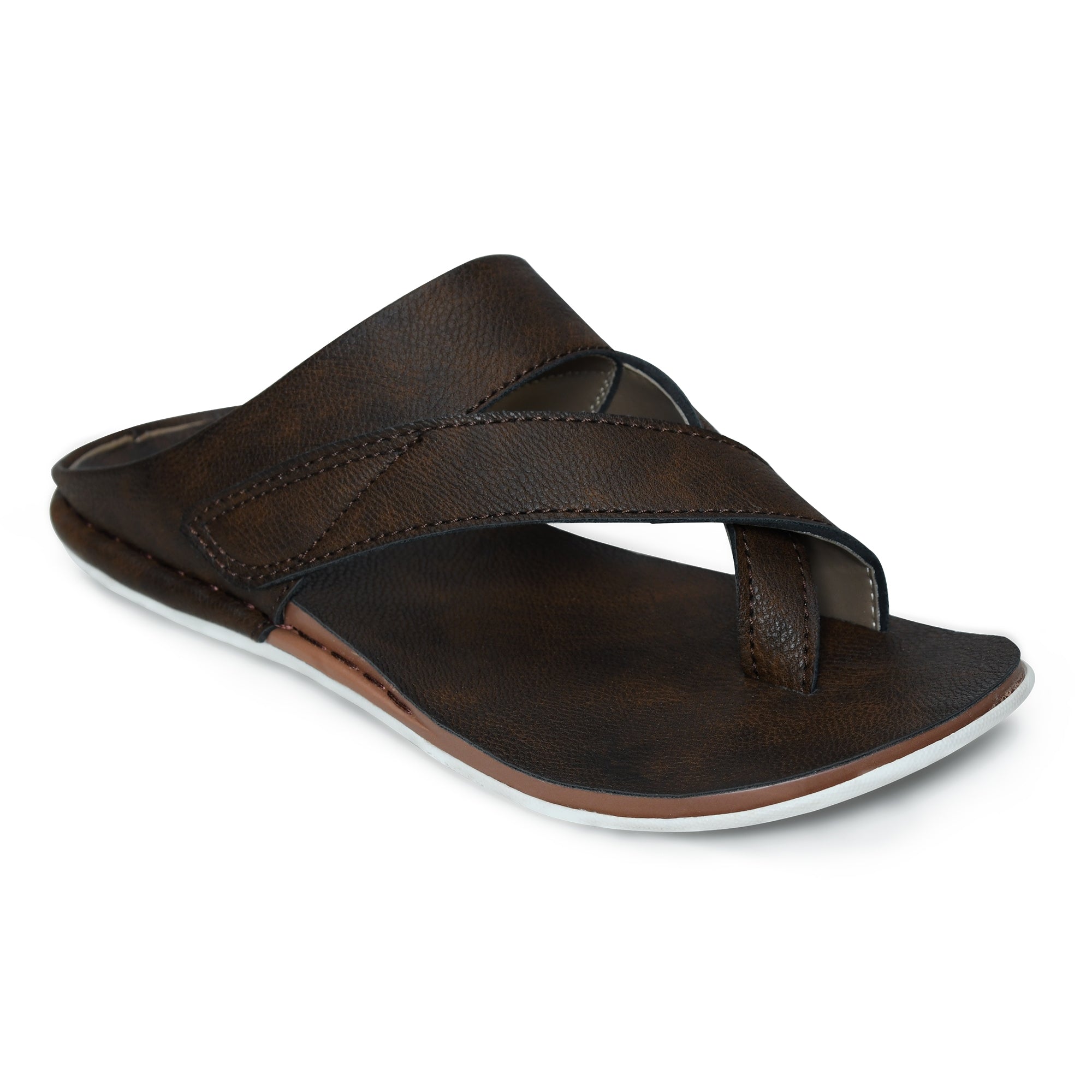
For Indian men interested in ethnic footwear, the 2026 event carried a message that has been building for several seasons: craft is the new luxury. Traditional Indian footwear styles — Kolhapuri, Peshawari, Jutti, Mojari — are not being positioned as alternatives to contemporary fashion. They are being presented as the most compelling design proposition in Indian menswear.
Here is what that means in practice — translated from runway to real life.
The Context: Why 2026 Is Different for Indian Craft Fashion
The Prada-Kolhapuri controversy of 2025 changed the conversation around Indian craft on a global level. Indian consumers responded to the controversy not just with outrage but with a surge in interest in authentic Indian footwear. Designers presenting at Lakme in 2026 are responding to this shift — their collections reflect an audience that is increasingly interested in the real thing, not in imported versions of it.
The broader Indian menswear trend has been moving toward ethnic and hybrid looks for several years. In 2026, this movement appears to have crossed a tipping point. Ethnic footwear is no longer styled as a compromise or an accommodation — it is the deliberate, confident choice.
Five Footwear Trends From the 2026 Season
Trend 1: The Tan and Earthy Palette Dominates
Across collections and conversations at Lakme 2026, the colour story in Indian menswear skews toward warm natural tones: tan, sand, caramel, olive, tobacco brown, and dusty cream. This is excellent news for ethnic footwear, which has always been strongest in exactly these tones. If you buy a tan Kolhapuri or a brown Peshawari in 2026, you are buying into the dominant colour direction of Indian menswear — not against it.
Browse Kolhapuri chappal for men →
Trend 2: The Minimal Kolhapuri Goes Mainstream
The Kolhapuri worn with non-ethnic, contemporary outfits — slim trousers, linen shirts, casual blazers — has been a designer styling move for several seasons. In 2026, it appears to be crossing into mainstream acceptance. The logic is simple: the Kolhapuri has a design quality that makes it interesting enough to anchor an otherwise plain outfit.
Trend 3: The Ethnic Loafer as the Office Shoe
Indian designers are increasingly presenting the ethnic loafer as the contemporary man's formal shoe. It bridges the divide between kurta-trouser office dressing and the traditional shoe silhouette, without committing fully to either world. The result is a shoe that works for office, social events, and smart casual occasions simultaneously.
Browse ethnic loafers for men →
Trend 4: Suede Textures and Matte Finishes
Glossy leather has given way to suede and matte finishes across Indian menswear this season. The Peshawari in suede, in particular, has become a recurring styling choice in editorial and runway contexts. It reads as more contemporary and more effortful than the standard faux-leather version, while remaining accessible in price.
Browse Peshawari sandals for men →
Trend 5: Single Statement Ethnic Piece
The styling philosophy that emerged most clearly from the 2026 season is restraint. One strong ethnic element — a carefully chosen shoe, a good fabric, a heritage accessory — carries more weight than multiple competing elements. In footwear terms, this means buying one excellent pair of ethnic shoes and building outfits around it rather than accumulating mediocre options.
How to Translate Runway Trends Into Real Purchases
| If This Trend Appeals to You |
The Real Purchase |
| Tan and earthy palette |
Buy your next ethnic shoe in tan, caramel, or brown — not black |
| Kolhapuri with western clothes |
Start with one tan Kolhapuri — wear with casual non-ethnic outfits and see if it works for you |
| Loafer as formal shoe |
If you wear kurta-trouser regularly, an ethnic loafer is a more versatile investment than a Peshawari for office |
| Suede and matte finishes |
Look for a suede Peshawari — it reads more contemporary than standard leather versions |
| Single statement ethnic piece |
Invest in one excellent pair and build outfits around it — restraint always looks more considered |
Shop the full STEPSOFT ethnic footwear collection →
Shop 2026 Trend-Forward Ethnic Footwear