March, April, and May form the core of India's spring wedding season. Auspicious dates cluster through these months, venues are at full occupancy, and wedding planners across the country are managing schedules at peak intensity. For Indian men — whether attending as guests, participating as close family, or standing at the centre as the groom — footwear choices for this season require specific consideration.
The challenges of spring wedding footwear are distinct from other seasons. The weather moves from pleasant to hot across these months. The occasions range from early-morning pheras to late-night receptions. And the dress standards span the full spectrum from relaxed mehendi gatherings to the most formal Sherwani occasions.
This guide covers everything — for the groom and for the guest.
Spring Weather and Footwear — What Changes
March is still relatively comfortable across most of India, with temperatures remaining manageable through the evening. By April, afternoon heat is significant across the North, and May is full summer in most regions. This progression matters for footwear in two specific ways.
First, heat causes feet to swell. Footwear that fits perfectly in March can feel tight by May if it does not have enough room. When buying wedding footwear for spring and summer events, always size with swelling in mind — particularly for closed-toe styles like the Mojari and Nagra.
Second, leather in warm weather can cause the foot to perspire more. Choosing footwear with a leather or natural insole over a synthetic one significantly improves comfort in warm weather, as leather allows modest breathability.
For the Groom: Footwear by Function
Mehendi and Haldi Functions
These pre-wedding functions are informal, outdoor in many cases, and involve activities — sitting on the ground, participating in ceremonies, moving between different setups — that require comfortable, practical footwear. This is not the occasion for the heavily embellished Mojari.
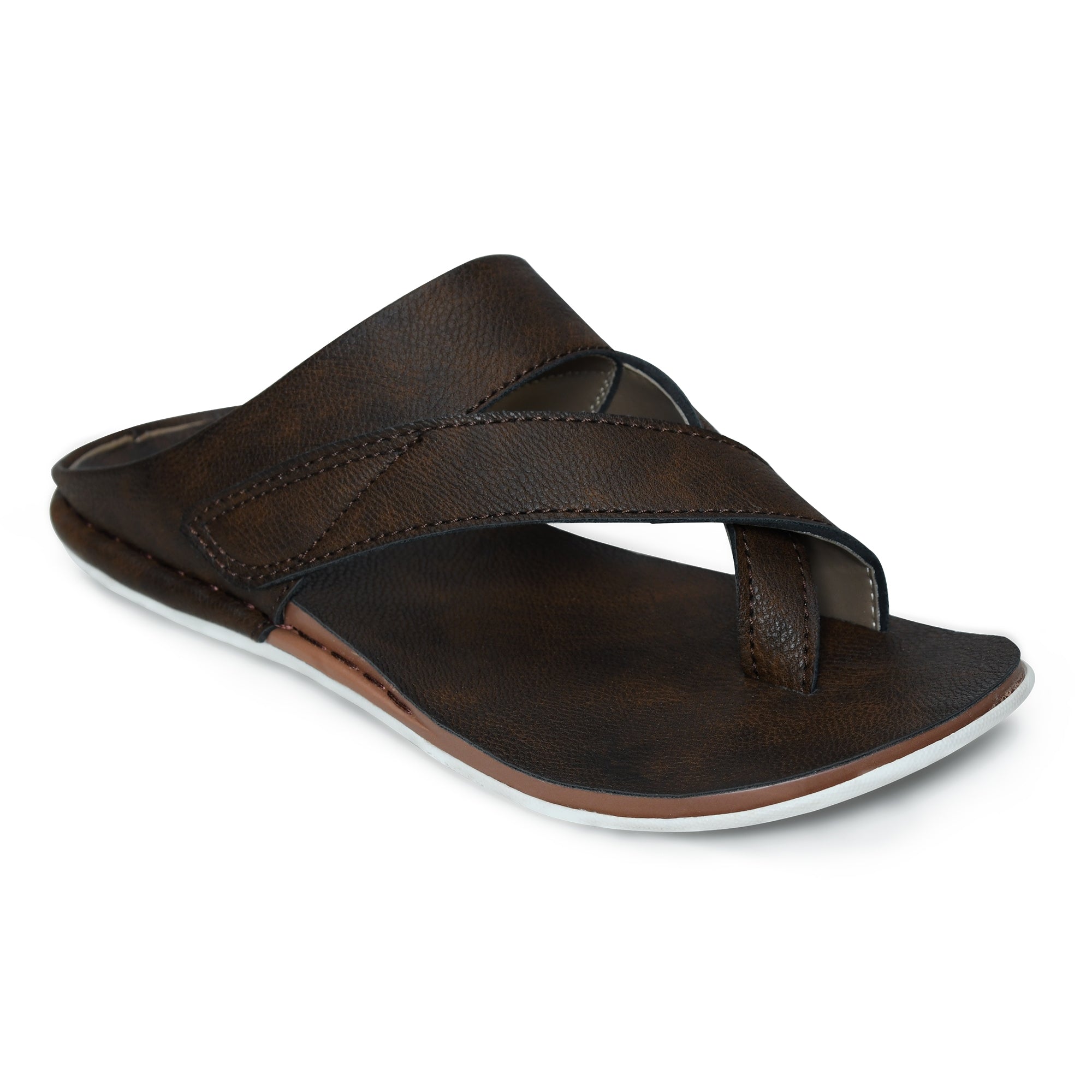
A quality Kolhapuri in tan or brown leather is the strongest choice. It is traditional enough to feel appropriate, comfortable enough for an active few hours, and easy to remove for any ritual components.
Browse Kolhapuri chappal for men →
Sangeet
The sangeet is a celebration — music, dance, and family. The atmosphere is festive and the dress standard is typically elevated without being fully formal. A Jutti or a lightly embellished Mojari is appropriate. Choose a pair that is comfortable for standing and moving, as the sangeet often involves dancing or at minimum extensive standing in one place.
Pheras and Baraat
This is the main event. This is when the groom's Mojari or Nagra takes centre stage. The footwear should be at its most embellished and most thoughtfully matched to the Sherwani. Comfort is non-negotiable — pheras can run for one to two hours, and the baraat procession is physically active.
Buy the wedding footwear specifically for this function, break it in thoroughly over three to four weeks beforehand, and prioritise sizing with warm-weather swelling in mind.
Browse wedding Mojari and Nagra for men →
Reception
The reception is typically more modern in atmosphere than the wedding itself. Many grooms change into a different outfit for the reception — sometimes a more western-influenced sherwani suit or even a formal suit. If the outfit is more western, an ethnic loafer in tan or black bridges the two aesthetics better than a traditional Mojari.
For the Guest: Footwear by Occasion Level
| Function |
Best Footwear for Guests |
| Mehendi / Haldi / Pre-Wedding |
Plain Kolhapuri or leather slipper — comfortable and appropriate |
| Sangeet |
Jutti or lightly embellished Mojari — festive but comfortable for dancing |
| Pheras / Baraat |
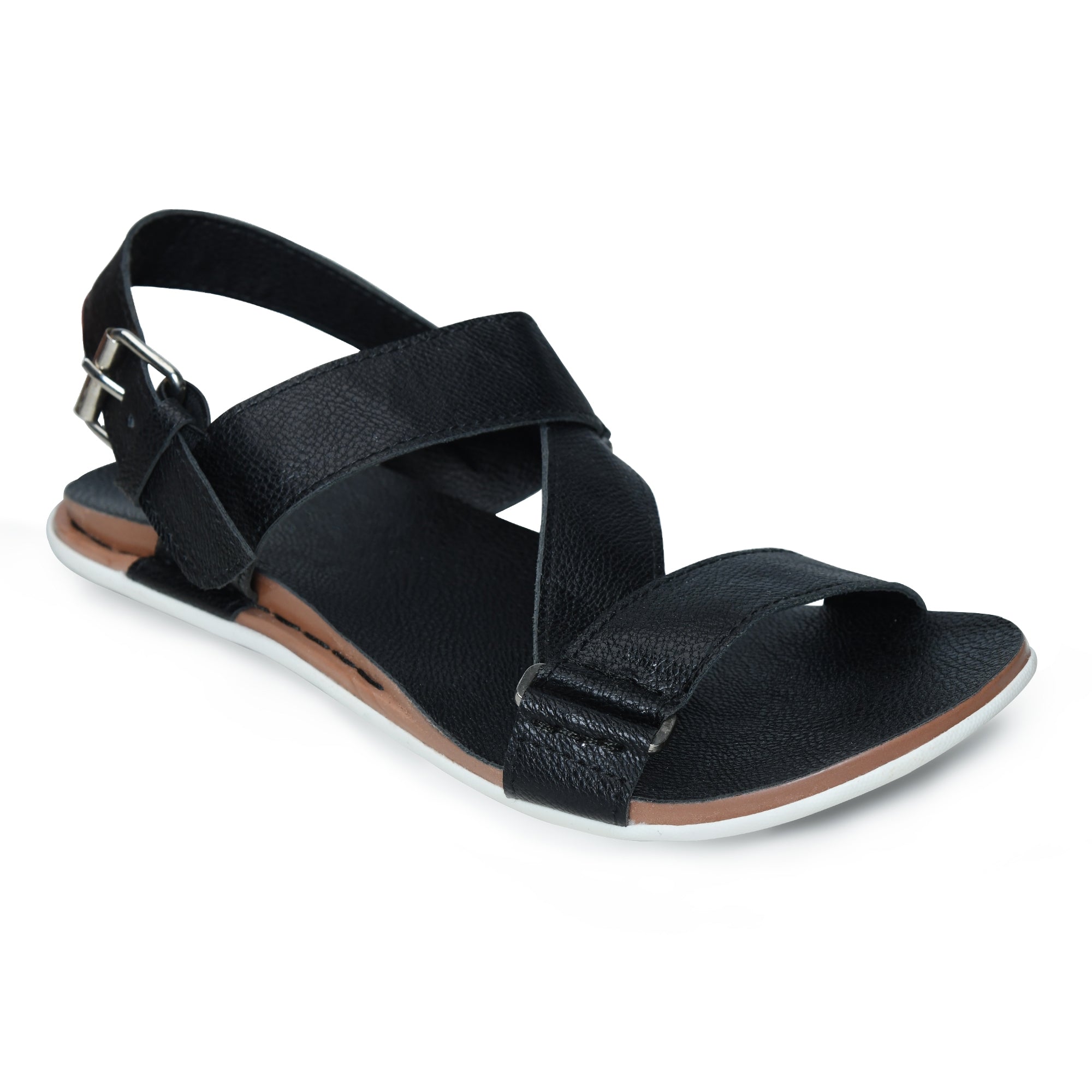
Peshawari sandal or ethnic loafer — polished without outshining the wedding party |
| Reception |
Ethnic loafer or Peshawari — versatile for both ethnic and semi-western outfits |
Browse Peshawari sandals for men →
Juttis and Mojaris are also appropriate for guests at formal functions, particularly if the overall outfit is heavily ethnic. The key is coordination — the footwear should feel part of a coherent outfit, not an afterthought.
One Thing Every Guest Gets Wrong
The most common wedding footwear mistake among Indian male guests is wearing western shoes — formal leather oxfords, brogues, or loafers — with a full ethnic kurta or Sherwani outfit. The combination creates a visual disconnect that reads as either rushed or unaware.
If the outfit is ethnic, the footwear should follow. If you are wearing a suit or formal western wear, then western footwear is appropriate. The ethnic-to-ethnic and western-to-western rules are simple and make every outfit look more coherent.
Shop all ethnic footwear for wedding season →
Shop Wedding Season Ethnic Footwear