Exceptional Customer Service @ 9336832036
Buy more save more - Buy 2 pairs — extra 10% off
Buy 1 Pair of Flip Flops, Get 1 Pair FREE!
Extra 5% OFF on Prepaid Orders + Free shipping
Exceptional Customer Service @ 9336832036
Buy more save more - Buy 2 pairs — extra 10% off
Buy 1 Pair of Flip Flops, Get 1 Pair FREE!
Extra 5% OFF on Prepaid Orders + Free shipping
Exceptional Customer Service @ 9336832036
Buy more save more - Buy 2 pairs — extra 10% off
Buy 1 Pair of Flip Flops, Get 1 Pair FREE!
Extra 5% OFF on Prepaid Orders + Free shipping
Exceptional Customer Service @ 9336832036
Buy more save more - Buy 2 pairs — extra 10% off
Buy 1 Pair of Flip Flops, Get 1 Pair FREE!
Extra 5% OFF on Prepaid Orders + Free shipping
Exceptional Customer Service @ 9336832036
Buy more save more - Buy 2 pairs — extra 10% off
Buy 1 Pair of Flip Flops, Get 1 Pair FREE!
Extra 5% OFF on Prepaid Orders + Free shipping
Exceptional Customer Service @ 9336832036
Buy more save more - Buy 2 pairs — extra 10% off
Buy 1 Pair of Flip Flops, Get 1 Pair FREE!
Extra 5% OFF on Prepaid Orders + Free shipping
Exceptional Customer Service @ 9336832036
Buy more save more - Buy 2 pairs — extra 10% off
Buy 1 Pair of Flip Flops, Get 1 Pair FREE!
Extra 5% OFF on Prepaid Orders + Free shipping
Exceptional Customer Service @ 9336832036
Buy more save more - Buy 2 pairs — extra 10% off
Buy 1 Pair of Flip Flops, Get 1 Pair FREE!
Extra 5% OFF on Prepaid Orders + Free shipping
Exceptional Customer Service @ 9336832036
Buy more save more - Buy 2 pairs — extra 10% off
Buy 1 Pair of Flip Flops, Get 1 Pair FREE!
Extra 5% OFF on Prepaid Orders + Free shipping
Exceptional Customer Service @ 9336832036
Buy more save more - Buy 2 pairs — extra 10% off
Buy 1 Pair of Flip Flops, Get 1 Pair FREE!
Extra 5% OFF on Prepaid Orders + Free shipping
How to Compare Men’s Ethnic Footwear Brands in India
Hammad Shahid
0 comments
To compare men’s ethnic footwear brands online, compare exact products—not slogans. Shortlist the shape you need, then check the selected pair’s material wording, size and colour availability, photographs, price, seller details, delivery terms and return conditions. A brand name or a high discount cannot prove fit, comfort, durability, origin or construction for every SKU.
This guide gives you a repeatable India-focused scorecard for Kolhapuri-style chappals, Peshawari sandals, juttis, mojaris and related men’s footwear. It does not rank STEPSOFT or another retailer as universally “best”.
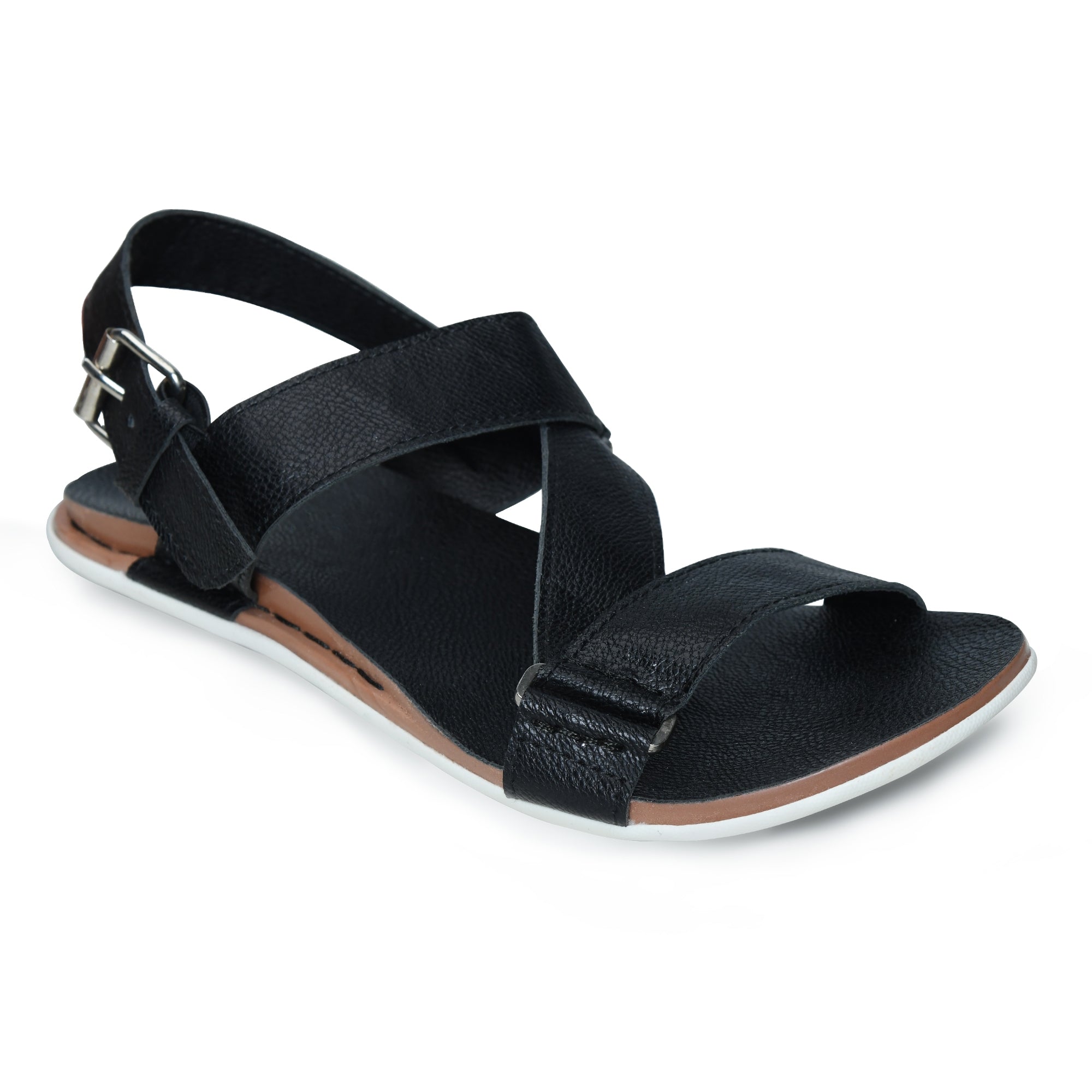
A current STEPSOFT product image. Use the photographs to inspect visible shape and strap placement; do not use an image to infer material or performance.
Quick answer: what makes an ethnic footwear brand easier to buy from?
A useful retailer makes the buying decision clear at product level. You should be able to identify the exact pair, select the intended size and colour, see whether that combination is available, understand the stated construction, and find the current delivery and return terms without relying on a category-wide promise.
The product title and photographs describe the same shape.
Material and closure are stated for that pair.
Size and colour choices show current availability.
The price is visible after you select a variant.
Return, exchange, delivery and payment information is reachable before checkout.
Claims such as handcrafted, genuine leather, waterproof, vegan or anti-slip are supported rather than assumed.
Use this nine-point brand comparison scorecard
Score each exact product page; do not give one score to an entire brand catalogue.
Check
Useful evidence
Pause before buying when
Style and closure
Open toe, covered front, slip-on, toe loop, buckle or slingback stated clearly
The name and photographs describe different shapes
Material
Upper, lining, footbed and outsole wording tied to the SKU
A site-wide leather or vegan claim is applied to every pair
Images
Full-pair, top, side and rear views of the listed product
Only a styled image or generic category banner is available
Sizing
Named sizing system plus product-specific guidance
A universal conversion chart is treated as an exact fit promise
Variant availability
Your exact size-colour choice can be selected and is available
A product family is called in stock although your choice is unavailable
Price and total
Selected price and the full amount due are shown
A crossed-out price or upfront amount hides the complete payable total
Claims
Specific, consistent statements that can be checked on the listing
The page promises universal comfort, health, grip or durability
Seller and policies
Reachable seller details and current delivery, payment and return terms
Important terms appear only in promotional text
URL integrity
One working product page with a clear canonical destination
The listing is broken, redirected unexpectedly or duplicated under conflicting paths
Start with the footwear shape, not the brand name
Kolhapuri, Peshawari, jutti, mojari and nagra are useful retail labels, but naming can overlap. First decide how much coverage and fastening you want.
For label differences, use the separate jutti, mojari and nagra comparison. This page owns the brand-and-product evaluation question; it does not duplicate that style-definition guide.
Compare material wording line by line
Do not turn one product’s material into a brand-wide fact. A retailer can sell leather, faux leather, fabric and mixed-material footwear in the same catalogue. The useful question is: “What does this exact page say about the upper, lining, footbed and outsole?”
Keep these labels separate:
Genuine leather and faux leather are not interchangeable.
A suede finish does not prove that the upper is genuine suede.
A faux-leather upper does not establish whole-product vegan certification.
“Handcrafted” and a city name should be supported for the exact item; they should not be copied across the catalogue.
If the product description, specification table and accordion disagree, ask the seller to resolve the conflict before ordering. Do not pick whichever claim sounds better.
Read product images as visual evidence—nothing more
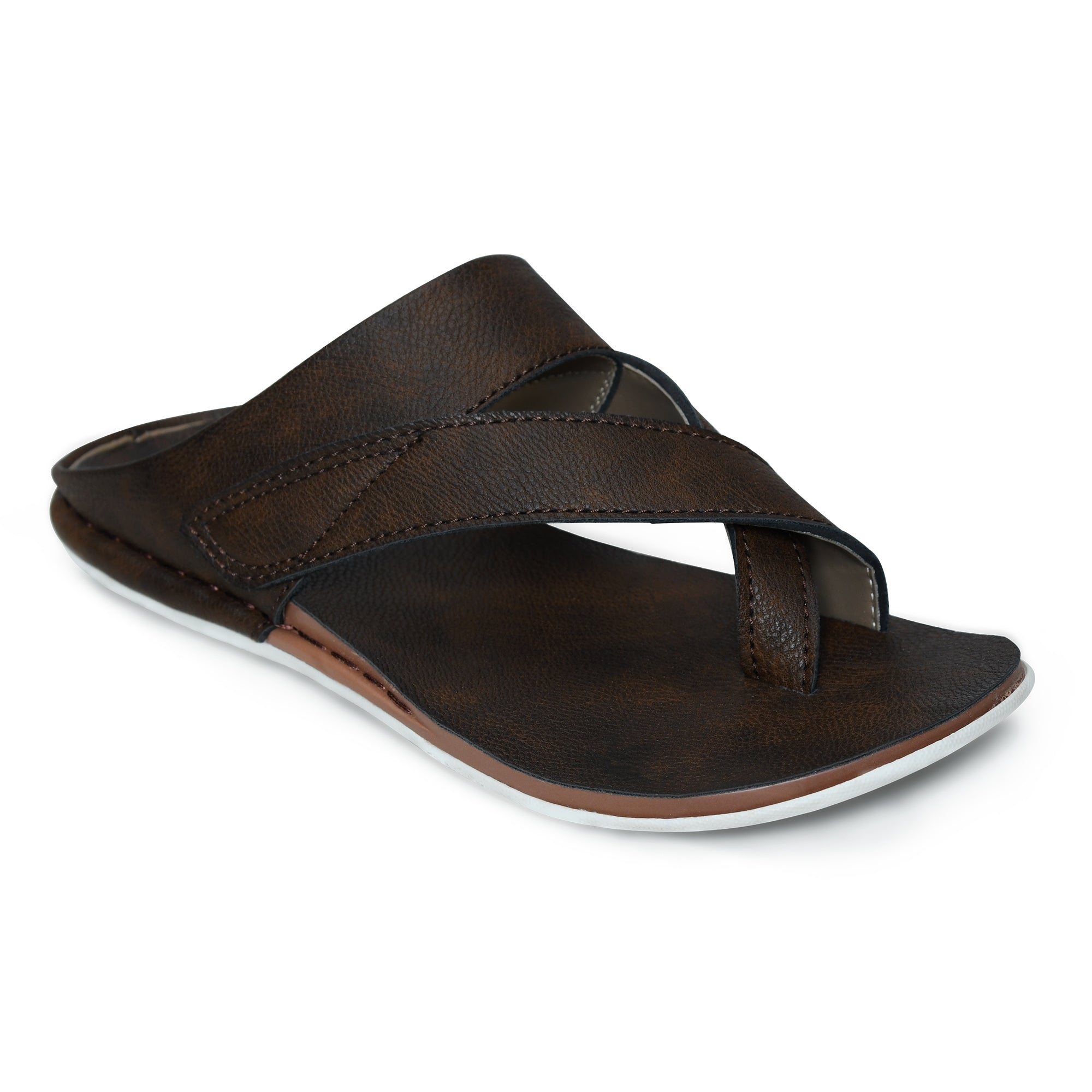
Use a top view to inspect toe shape, toe-loop position and strap layout. A side view can show front coverage, openings and sole profile. A rear view can confirm whether the pair is open, slip-on or secured by a back strap.
Images cannot prove fibre composition, tanning method, waterproofing, slip resistance, cushioning performance or long-term durability. Those require reliable product information or testing.
Front coverage and side openings are visible in this current STEPSOFT image. Unseen material and performance should still be checked in the exact listing.
Check size and stock as one decision
A product being active does not mean every size-colour combination is available. Measure both feet, keep the larger measurement, identify the sizing system on the exact page, and then select the intended variant.
Do not assume that the same printed size will fit identically in an open chappal, Peshawari sandal and closed mojari. The men’s sandal-versus-shoe size guide explains the different indoor fit checks.
Current STEPSOFT examples for using the scorecard
The following are catalogue examples, not universal winners. Native product records were checked on 21 October 2026; stock can change. Open the product page and select your exact size and colour before ordering.
Current product-family availability checked on 21 October 2026
Covered slip-on shape, embroidered fabric upper and white size choice
White sizes 6–10 were available at the check
Availability is a dated fact, not a reservation. No stock count or delivery date is promised by this article.
Compare the complete buying path
A product page is only one part of the purchase. Before paying, review:
The exact selected size and colour.
The current product price and complete amount due.
Whether payment is prepaid or includes an advance and later balance.
Your postcode’s available delivery and payment options.
Return eligibility, indoor try-on conditions and exchange dependence on stock.
STEPSOFT’s current shipping policy lists processing within 24–48 working hours after confirmation and estimated delivery of 3–5 working days for metros, 4–7 for tier-two cities and 5–9 for remote areas. These are estimates, not guaranteed arrival dates for every postcode.
The current return and refund policy asks for eligible return requests within seven days of delivery, with the footwear unused and unworn, original packaging and tags intact; indoor size trials are allowed. Refund processing is stated as 5–7 working days after the returned item reaches the warehouse and passes quality checks.
As a general buying reference, the Government of India’s Consumer Protection page provides the e-commerce rules and amendments. The National Consumer Helpline’s safe online-shopping guidance recommends reading return and refund terms and understanding product use before purchase.
What the sampled specialist pages reveal
Current specialist pages show why a checklist is more useful than a brand leaderboard. One Kolhapuri listing exposed size choices, material and sole fields but was sold out. Another detailed handmade construction and care, while a mojari listing showed only one size with stock despite presenting a full size range.
The buyer questions are therefore practical:
Is my exact size available now?
Does the product-level material match the broad brand promise?
Are the care instructions specific to this upper and sole?
Does “easy return” link to complete terms?
Can I identify the seller or manufacturer?
Is the full amount due clear after I select the variant?
The gap is not a shortage of “top brand” lists. It is the absence of a disciplined way to separate a useful disclosure from an unsupported promise.
A 10-minute shortlist method
Define the shape: open chappal, semi-covered sandal or closed ethnic slip-on.
Open three exact products: avoid comparing only homepages or collection banners.
Record the evidence: material, closure, size system, your variant’s stock, selected price and policy links.
Inspect consistent views: compare top and side photographs at a similar scale.
Remove contradictions: set aside any listing whose essential material, fit or policy facts conflict.
Check the full basket: confirm the complete amount, payment split and postcode options.
Save the evidence: retain the selected variant and order details for your purchase.
Frequently asked questions
Which is the best men’s ethnic footwear brand in India?
No universal winner is established here. Compare the exact products that fit your intended use. Prefer the listing that gives you consistent material, fit, availability, price and policy evidence.
Does a higher price prove better material or durability?
No. Check the stated material and construction for the selected pair. Price alone does not prove performance or lifespan.
Can I trust “handcrafted” in a product title?
Treat it as a product claim that should have supporting seller information, construction detail or provenance for that pair. Do not extend it to every item sold by the brand.
Does faux leather mean the footwear is vegan?
No. A synthetic upper does not prove that every component or process meets a vegan standard. Look for product-level certification or a complete documented claim.
How many products should I compare?
Two or three well-documented products are easier to evaluate than a long list of vague brand claims.
What if my preferred colour is out of stock in my size?
Treat that combination as unavailable. Do not select a nearby size only to obtain the colour; compare another colour or product and repeat the fit check.
What should I check immediately before paying?
Selected size and colour, complete price, available payment method, postcode serviceability, delivery estimate and current return conditions.
Your final brand-comparison checklist
I am comparing exact product pages, not only brand reputation.
The product shape, material and closure are consistent across the page.
My exact size-colour is available.
The selected price and complete amount due are clear.
I have not inferred comfort, health, grip, origin or vegan status.
I can reach the current shipping and return terms.
I have saved the selected variant and order details.
Reviewed by the STEPSOFT content team on 21 October 2026. We inspected all 44 published STEPSOFT articles and zero drafts, current product and variant records, current shipping and return policies, and accessible specialist pages from Korakari, VHAAN and Krafto Jodhpur. We did not test materials, comfort, grip or durability; award third-party scores; or verify India/mobile search volume. Search demand above 250 remains unverified.