The Met Gala 2026, held in early May at the Metropolitan Museum of Art in New York, was remarkable for one central reason: Indian craftsmanship was not merely present on the red carpet. It dominated it.
Indian celebrities — Karan Johar, Isha Ambani, Ananya Birla, the Maharaja and Princess of Jaipur — made appearances that generated more coverage than most international stars at the event. Each look was rooted in Indian design, Indian materials, and Indian artistic tradition. And the global fashion press noticed.
Karan Johar wore a cloak-like cape designed by Manish Malhotra, inspired by the painter Raja Ravi Varma, featuring six feet of hand-painted canvas depicting scenes from Indian mythology. Isha Ambani wore a gold tissue saree by Gaurav Gupta with a structured cape adorned with family jewellery including eighteen hundred carats of diamonds, emeralds, and polki stones. The Princess of Jaipur wore a gown that paid tribute to her grandmother, the legendary Maharani Gayatri Devi, crafted from a chiffon saree once worn by the Maharani herself.
These are not casual fashion choices. They are deliberate, carefully considered expressions of Indian cultural identity at the moment of maximum global visibility.
Why the 2026 Met Gala Was Different
Indian fashion has appeared on international red carpets before. What made 2026 different was the degree of intentionality, the quality of the design execution, and the timing — which came in the aftermath of a sustained global conversation about Indian craft triggered by the Prada-Kolhapuri controversy.
The cultural moment has shifted. In 2025 and 2026, Indian craft — Kolhapuri chappals, Mukaish embroidery, Benarasi silk, handpainted textiles, artisan jewellery — has received more sustained international attention than at any comparable period in recent decades. The Met Gala appearances landed in the middle of this shift and amplified it significantly.
The message from Indian designers and Indian celebrities was coherent: India has a design tradition that does not need to reference or defer to European aesthetics. The craft speaks for itself.
Browse handcrafted Indian footwear →
The Footwear Equivalent of This Moment
The outfits worn at the Met Gala were extraordinary — handpainted capes, jewelled sarees, tribute gowns. Most of us will never wear anything like them. But the cultural movement they represent is accessible to every Indian man who chooses to engage with it.
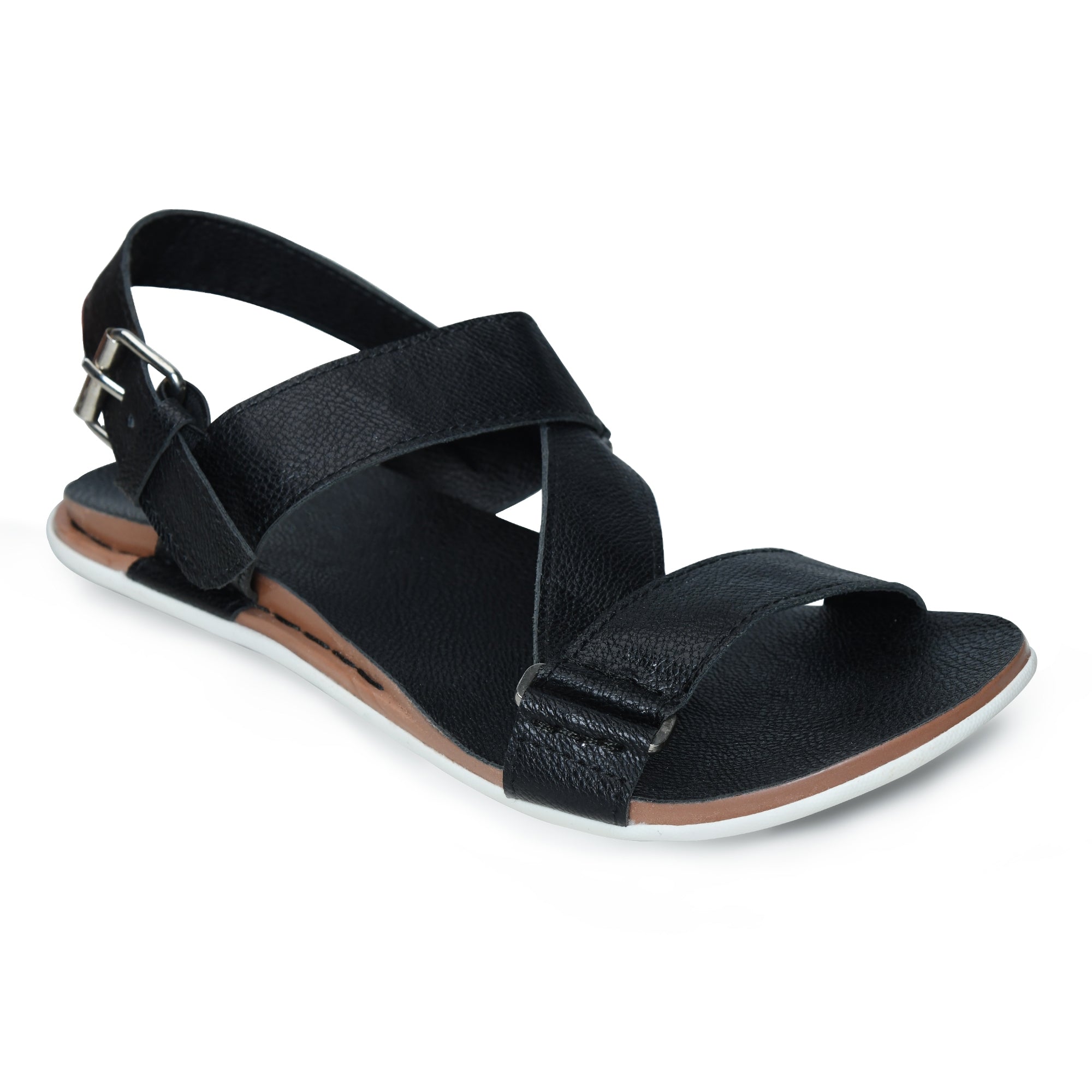
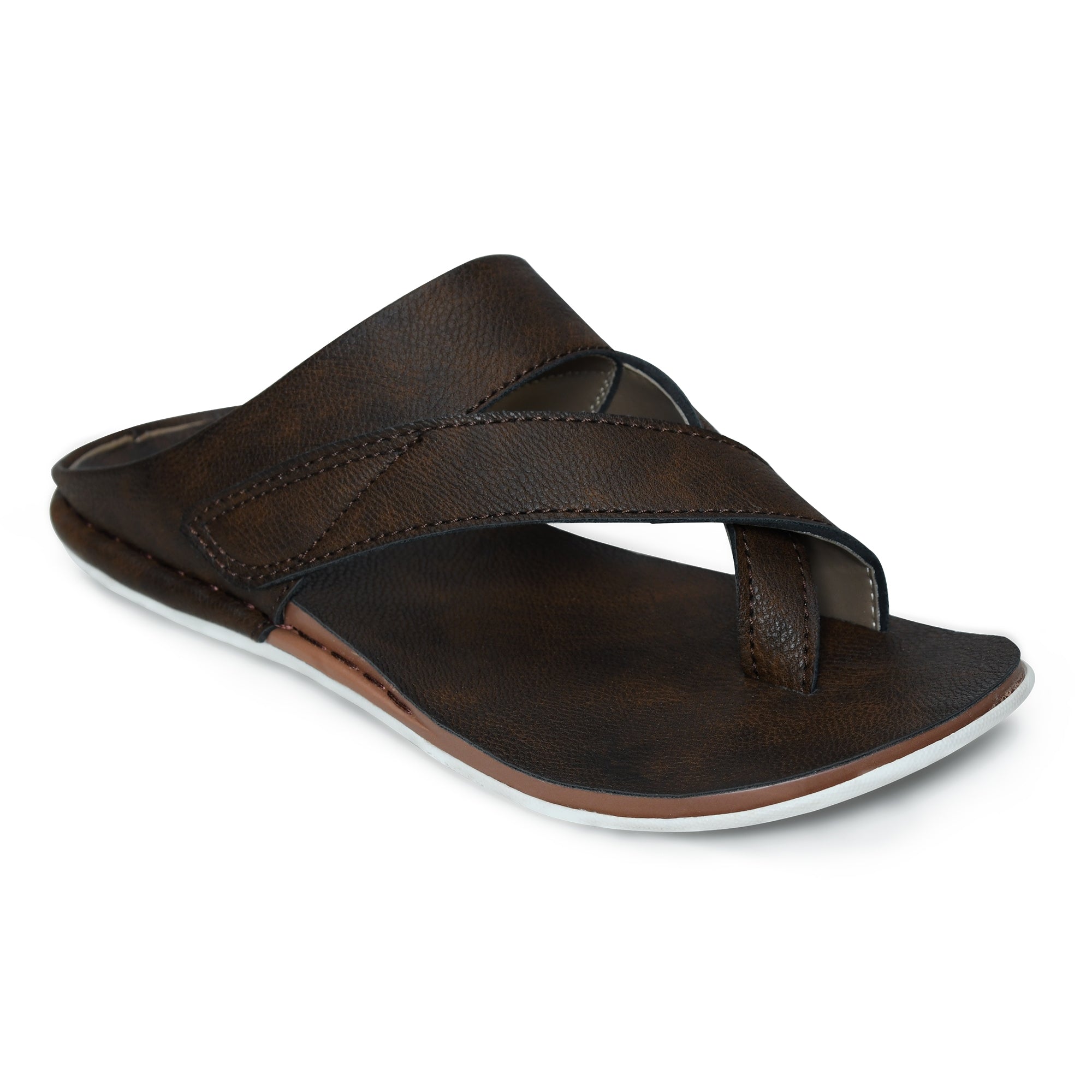
The Kolhapuri chappal is India's most iconic craft footwear. It has a GI tag, an eight-hundred-year history, and a design quality that a luxury Italian brand recently acknowledged in the most public way possible. Wearing it — not as a costume or a fashion statement, but as a deliberate cultural choice — is the everyday version of what Indian designers presented at the Met Gala.
You do not need Manish Malhotra's budget. You need a good Kolhapuri, a decent kurta, and the intention to wear Indian craft with pride.
India's Craft Heritage Deserves to Be Worn, Not Just Displayed
The Met Gala moments are inspiring. But inspiration that does not translate into action is just aesthetics.
The Indian artisans who make Kolhapuri chappals, who produce handloom fabrics, who craft Jutti and Mojari with skills that take years to develop — they do not benefit from global fashion coverage alone. They benefit from demand. Consistent, year-round demand, at prices that reflect the real value of the craft.
Every time you choose handcrafted Indian ethnic footwear over a cheap synthetic alternative, you are participating in the same cultural movement that made Indian celebrities the most talked-about presence at the world's biggest fashion event.
Shop the STEPSOFT Kolhapuri collection →
Wear India's Craft — Shop Kolhapuri