The May Wedding Challenge — Heat, Formality, and Multiple Functions
May is the busiest wedding month in India. The Hindu calendar packs auspicious dates through May in particular — partly because the weather, while hot, makes the school holidays align with family travel, which allows extended families to gather more easily. The result is that Indian men receive more wedding invitations in May than in any other single month.
The question that arrives with each invitation is the same: what do I actually wear? And more specifically — what should I wear on my feet? This is the complete guide.
May weddings present a specific set of challenges for guests. The heat — which across North India can exceed forty degrees Celsius by mid-May — makes heavy fabrics and closed footwear genuinely uncomfortable over long events. Wedding functions that run from afternoon through the night put particular strain on anything that is not both breathable and comfortable for extended wear.
At the same time, May weddings are often large, formal affairs. This is peak wedding season — the events tend to be well-organized, well-attended, and relatively high in dress standard. The casual approach that might be acceptable at a small destination wedding in November does not always translate to a major traditional May celebration.
The goal is to look polished and traditional while remaining genuinely comfortable. Here is how to navigate each function.
The Sangeet — Festive, Active, Fun
The sangeet is the most energetic of the major wedding functions. Music, dancing, family performances — it is a celebration rather than a ceremony. The dress standard is festive and elevated, but comfort and mobility matter.
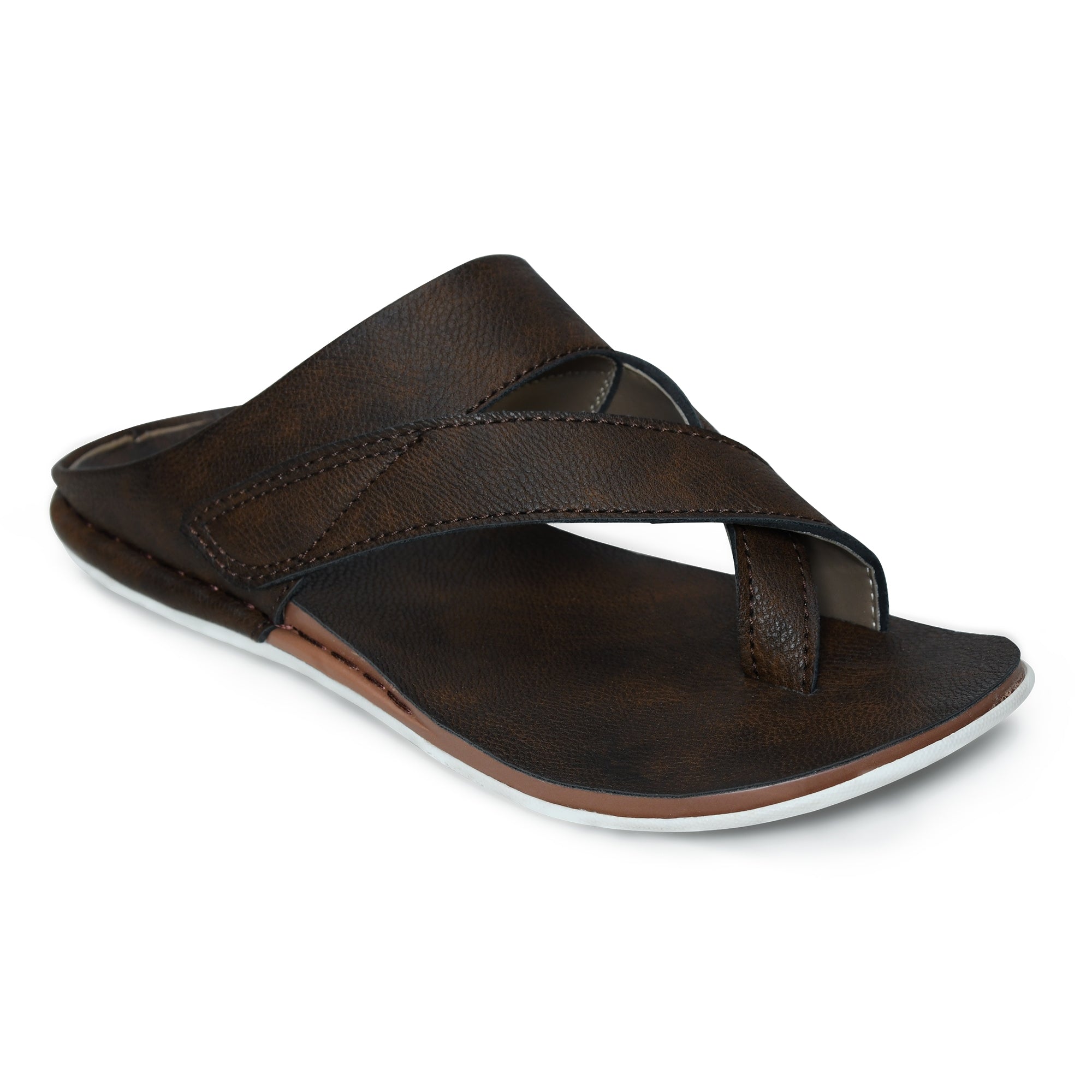
For the sangeet, a kurta in a bold or rich colour — jewel tones, deep blues, forest green, rich maroon — with a comfortable pyjama works well. Footwear should prioritise comfort over formality. A Kolhapuri in tan or dark brown, or a simple Jutti in a neutral tone, allows the freedom of movement the sangeet demands without looking out of place.
Kolhapuri chappal for men →
The Wedding Ceremony (Pheras) — The Most Formal Function
The pheras are the ceremonial core of the wedding. This is the highest dress standard of any function you will attend. Your outfit should reflect that — a well-fitted kurta-pyjama in a formal fabric (dupion silk, brocade, or a quality cotton blend), or a structured Nehru jacket over a plain kurta.
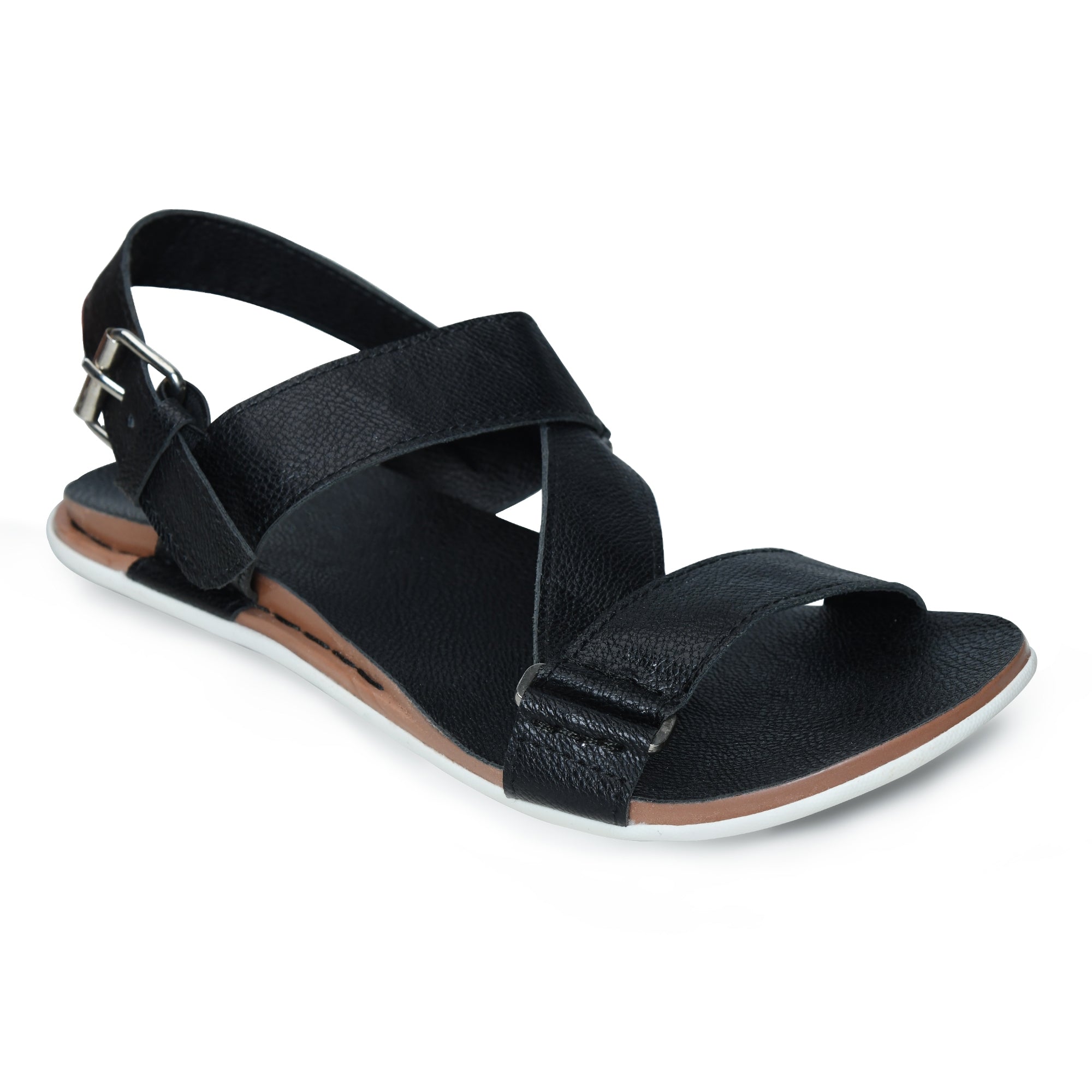
Footwear for the pheras should be the most considered choice of the day. A Peshawari sandal in a neutral tone — tan, dark brown, or black — is the most versatile and consistently appropriate guest choice. It reads as deliberately ethnic without competing with the wedding party's embellishment.
Avoid heavily embellished Juttis or Mojaris as a guest — heavily embellished footwear is appropriate for the wedding party, less so for guests who want to look polished without drawing attention away from the couple. Alternatively, a simple, lightly embroidered Jutti in a neutral tone works well if your overall outfit is on the more formal end.
Peshawari sandals for men →
The Reception — The Most Contemporary Function
The reception is typically the most modern-feeling function of an Indian wedding. It often takes place in the evening, in a banquet hall or outdoor venue, and the atmosphere tends to be more relaxed and social than the ceremony itself. Many guests wear their most contemporary ethnic looks to the reception.
For the reception, an ethnic loafer in tan or black is the footwear that works across the widest range of outfits. If you are wearing a Sherwani-style suit or a structured kurta-trouser combination, the ethnic loafer bridges the contemporary and traditional without effort.
ethnic loafers for men →
The One Footwear Rule Every Male Wedding Guest Needs
Match your footwear type to your outfit type. Ethnic outfit means ethnic footwear. If you are wearing a kurta, churidar, and Nehru jacket — a full ethnic look — then western shoes (formal oxfords, sneakers, brogues) will undermine the entire outfit. The visual disconnect is significant and will be noticed.
The reverse is also true but less commonly relevant: if you are wearing a suit to a reception, western formal shoes are appropriate. But in most Indian wedding contexts, the guest who is in full ethnic attire and wears proper ethnic footwear always looks better than the one who compromises at the shoe level.
Quick Reference: What to Wear at Which Function
| Function |
Outfit |
Footwear |
| Mehendi and Haldi |
Casual kurta |
Comfortable Kolhapuri or leather slipper, easy on-off for outdoor settings |
| Sangeet |
Festive kurta in a rich colour |
Kolhapuri or simple Jutti, comfort and mobility |
| Pheras (wedding ceremony) |
Formal kurta-pyjama or Nehru jacket |
Peshawari sandal or neutral Jutti |
| Reception |
Contemporary ethnic or kurta-trouser |
Ethnic loafer or Peshawari, most versatile choice |
shop all ethnic footwear for wedding season →
Shop Wedding Guest Ethnic Footwear