The Significance of Ram Navami and Traditional Dress
Ram Navami, observed on April 6, 2026, marks the birth anniversary of Lord Ram. It is one of the most significant festivals in the Hindu calendar, particularly in North India, where celebrations range from quiet home prayers to large processions and community gatherings. The occasion is observed with devotion, fasting, and — for many men — a return to traditional ethnic attire.
April presents specific conditions for festival dress. The weather across most of North India by early April is warm to hot, particularly in the afternoons. This makes fabric choice and footwear comfort particularly relevant for an occasion that may involve temple visits, outdoor processions, and extended family gatherings.
Ram Navami is a day of spiritual celebration. The colour most associated with the festival is saffron, followed by white. These colours are worn as expressions of devotion — saffron representing sacrifice and spiritual seeking, white representing purity. Both work naturally with Indian ethnic attire for men.
The choice to dress traditionally for Ram Navami is not a requirement — it is a cultural expression. But for men who choose traditional attire, the combination of appropriate clothing and appropriate footwear creates a coherent expression of participation in the festival's spirit.
Best Footwear for Ram Navami
The Kolhapuri — The Natural Choice
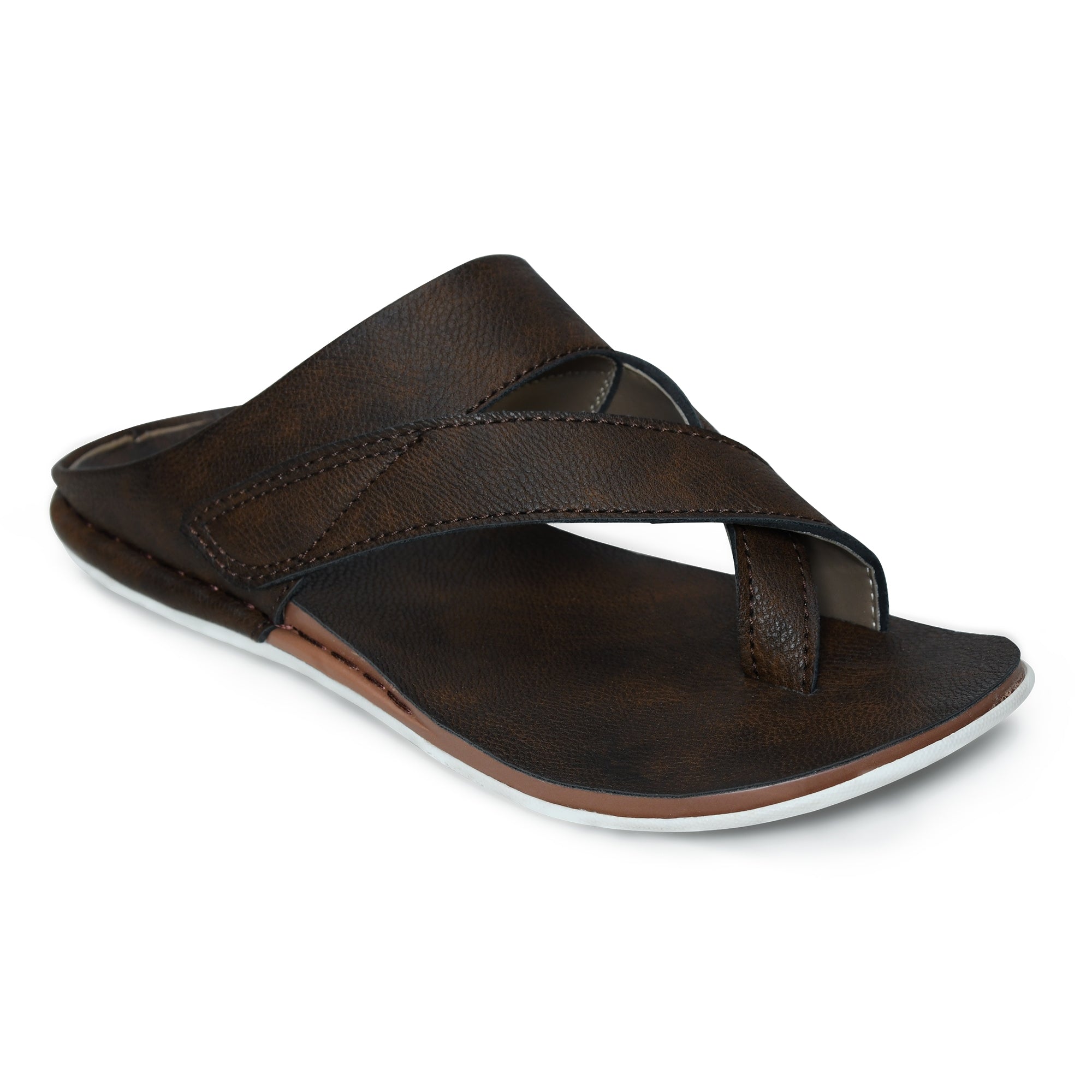
For a festival that involves temple visits, outdoor processions, and long periods of standing and sitting, the Kolhapuri is the most practical and culturally appropriate footwear choice. Its slip-on construction means it can be removed easily before entering a temple. Its traditional design pairs naturally with kurta-pyjama, dhoti, and angavastram — the attire most commonly worn for Ram Navami.
Choose a simple, unembellished Kolhapuri for this occasion. The spirit of Ram Navami calls for simplicity and devotion rather than display.
Kolhapuri chappal for men →
Simple Leather Slippers — For Comfort During Long Celebrations
If you are attending a celebration that involves a long procession, hours of outdoor standing, or a combination of prayer and community gathering, a pair of flat leather slippers may be more comfortable than the Kolhapuri for the most active parts of the day.
The decision between the two often comes down to how much walking and standing is involved. For a quiet home and temple celebration — Kolhapuri. For a long procession or outdoor mela — consider the more cushioned slipper option.
men's slippers India →
April Outfit Guidance — Dressing for the Heat
By early April, afternoon temperatures across North India can reach thirty to thirty-five degrees Celsius or higher. Evening celebrations are more comfortable, but the day's heat will affect what you can reasonably wear.
The most practical and beautiful choice for Ram Navami in April is a lightweight cotton kurta-pyjama in white or saffron. Natural cotton breathes. It keeps you comfortable through long periods of outdoor activity. It also looks right for the occasion — simple, clean, appropriate.
Avoid synthetic fabrics. In April heat, synthetic fabric traps heat against the body and becomes uncomfortable quickly. The cotton kurta has been the right answer to Indian summer conditions for centuries. There is no meaningful improvement available.
A Note on Temple Etiquette
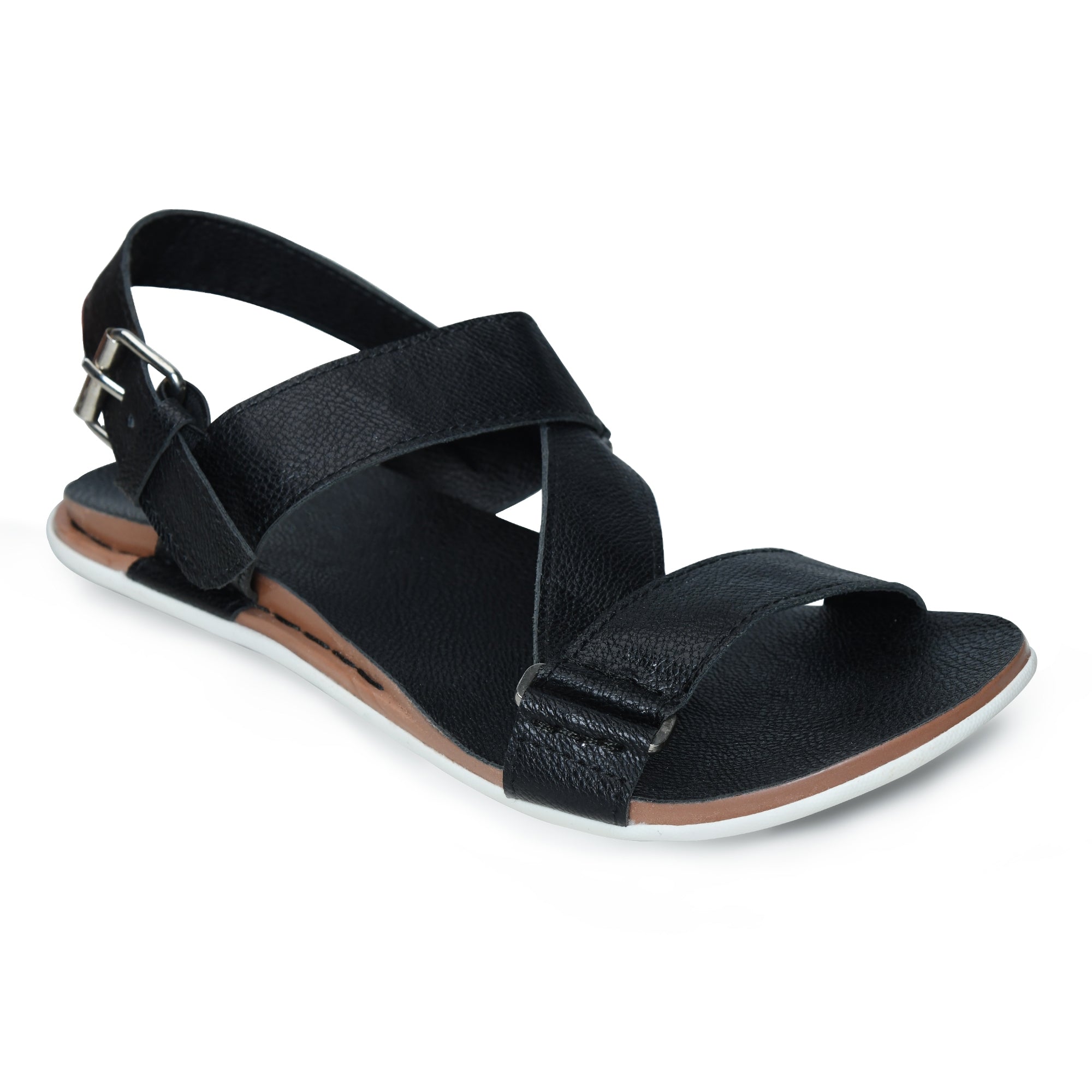
Temple visits on Ram Navami require the removal of footwear before entering the sacred space. This is a straightforward requirement, but it carries practical implications for footwear choice. Shoes that are complex to put on and take off — lace-up shoes, buckled footwear with multiple straps — slow you down in queues and take attention away from the occasion itself.
Simple slip-on ethnic footwear is the correct choice for temple visits on any occasion, and Ram Navami is no exception. It honours the tradition while remaining practical.
If there is a long queue at the temple — which is common on Ram Navami, when attendance can be very high — your footwear may need to be carried or left in a designated area. Ethnic slip-on footwear is easy to carry and takes up minimal space.
shop traditional ethnic footwear for festivals →
Shop Traditional Footwear for Ram Navami