Exceptional Customer Service @ 9336832036
Buy more save more - Buy 2 pairs — extra 10% off
Buy 1 Pair of Flip Flops, Get 1 Pair FREE!
Extra 5% OFF on Prepaid Orders + Free shipping
Exceptional Customer Service @ 9336832036
Buy more save more - Buy 2 pairs — extra 10% off
Buy 1 Pair of Flip Flops, Get 1 Pair FREE!
Extra 5% OFF on Prepaid Orders + Free shipping
Exceptional Customer Service @ 9336832036
Buy more save more - Buy 2 pairs — extra 10% off
Buy 1 Pair of Flip Flops, Get 1 Pair FREE!
Extra 5% OFF on Prepaid Orders + Free shipping
Exceptional Customer Service @ 9336832036
Buy more save more - Buy 2 pairs — extra 10% off
Buy 1 Pair of Flip Flops, Get 1 Pair FREE!
Extra 5% OFF on Prepaid Orders + Free shipping
Exceptional Customer Service @ 9336832036
Buy more save more - Buy 2 pairs — extra 10% off
Buy 1 Pair of Flip Flops, Get 1 Pair FREE!
Extra 5% OFF on Prepaid Orders + Free shipping
Exceptional Customer Service @ 9336832036
Buy more save more - Buy 2 pairs — extra 10% off
Buy 1 Pair of Flip Flops, Get 1 Pair FREE!
Extra 5% OFF on Prepaid Orders + Free shipping
Exceptional Customer Service @ 9336832036
Buy more save more - Buy 2 pairs — extra 10% off
Buy 1 Pair of Flip Flops, Get 1 Pair FREE!
Extra 5% OFF on Prepaid Orders + Free shipping
Exceptional Customer Service @ 9336832036
Buy more save more - Buy 2 pairs — extra 10% off
Buy 1 Pair of Flip Flops, Get 1 Pair FREE!
Extra 5% OFF on Prepaid Orders + Free shipping
Exceptional Customer Service @ 9336832036
Buy more save more - Buy 2 pairs — extra 10% off
Buy 1 Pair of Flip Flops, Get 1 Pair FREE!
Extra 5% OFF on Prepaid Orders + Free shipping
Exceptional Customer Service @ 9336832036
Buy more save more - Buy 2 pairs — extra 10% off
Buy 1 Pair of Flip Flops, Get 1 Pair FREE!
Extra 5% OFF on Prepaid Orders + Free shipping
Kolhapuri Chappal Size Guide for Men: Measure and Check Fit
My Store Admin
0 comments
A Kolhapuri chappal size should be chosen from your actual foot measurements and the size options shown on the exact product page—not from a universal UK, EU or US conversion table. Measure both feet while standing, keep the larger result, compare it with the product’s current guidance, and check the pair indoors before outdoor wear. Do not depend on the upper stretching to correct a wrong length or width.
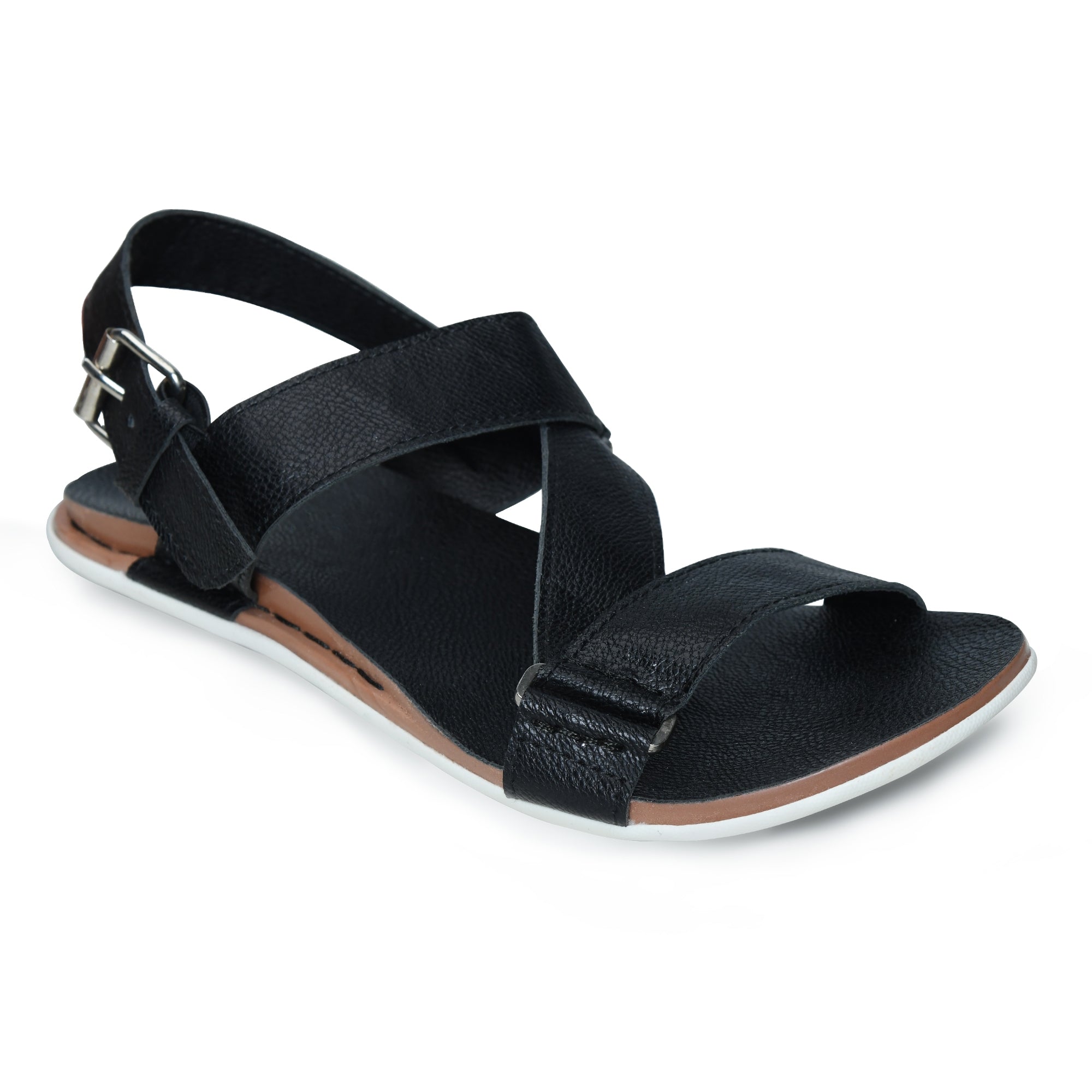
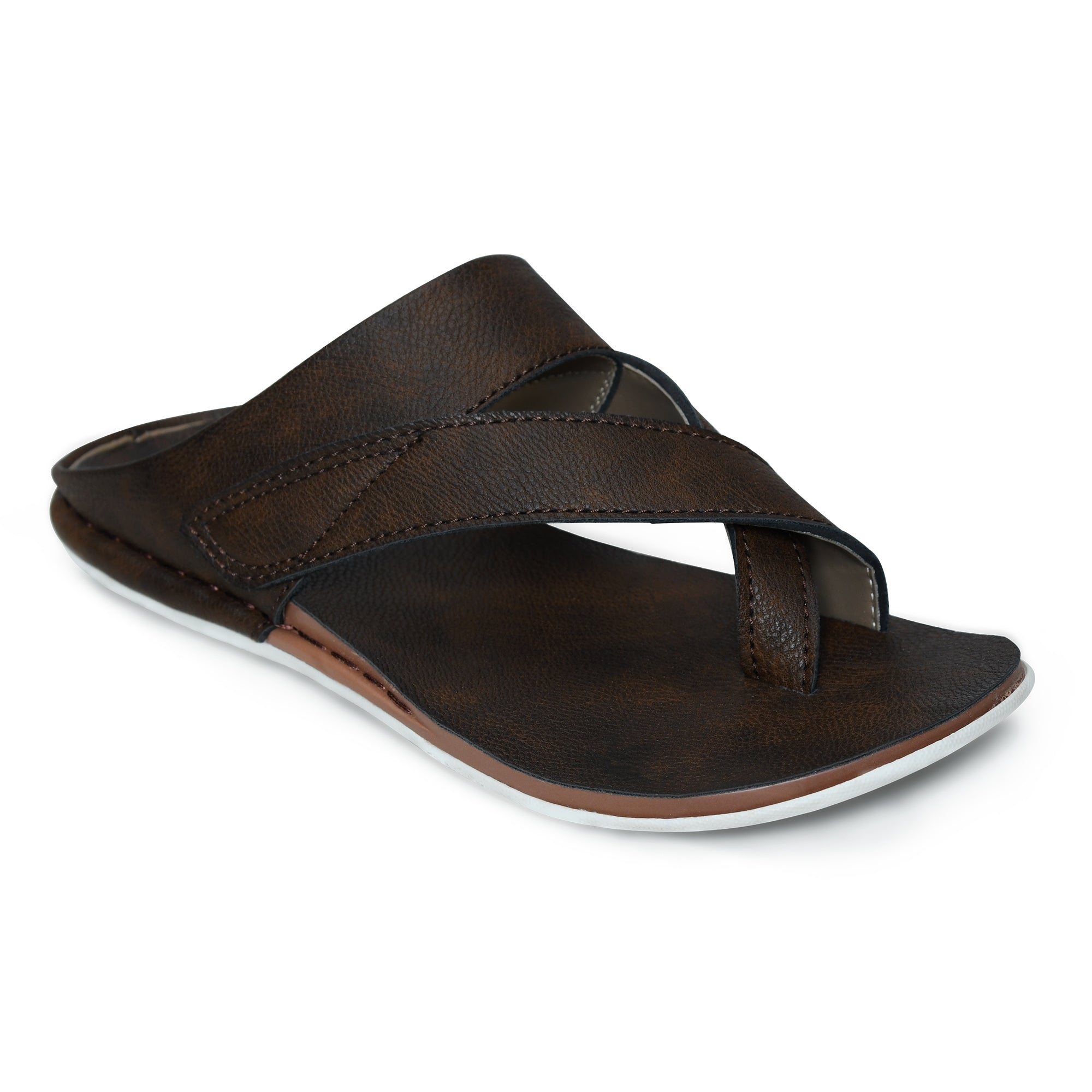
Current STEPSOFT Kolhapuri-style product media; confirm size and construction on the exact product page.
This STEPSOFT guide is for men comparing Kolhapuri-style slippers and chappals in India. It replaces the previous universal conversion chart and fixed break-in timeline because footwear labels, constructions and fits can vary by product.
Quick answer: how to choose your Kolhapuri size
Measure both feet in centimetres at the end of a normal day.
Record heel-to-longest-toe length and the widest part of each foot.
Use the larger foot as your reference.
Open the exact STEPSOFT product page and check its selectable sizes and any product-specific guidance.
If your measurement or width sits between options, ask STEPSOFT about that exact style before ordering rather than applying a blanket “size up” rule.
On arrival, test the pair on a clean indoor surface while keeping the current return conditions in mind.
Measure both feet at home
You need two sheets of paper, a pen held vertically, and a ruler or measuring tape marked in centimetres. Wear the type of socks you expect to use with the footwear; for an open Kolhapuri, most buyers will measure barefoot.
Prepare the surface: place the paper on a hard, level floor with its edge against a wall.
Stand naturally: put your heel lightly against the wall and distribute your weight across both feet. Ask someone to help if bending changes your stance.
Mark the length: mark the end of the longest toe. Do not assume the big toe is longest.
Measure width: mark the widest points across the forefoot and measure between them.
Repeat: measure the other foot and write down both results.
Use the larger measurements: the pair must accommodate both feet, so use the longer length and wider width when comparing a style.
Use top-view product photos to check the toe-ring position, strap layout and available footbed space before choosing a size.
Why a universal footwear conversion can mislead
A size number is a label, not a measurement of every internal dimension. Two pairs carrying the same number can differ in footbed length, forefoot width, toe-ring placement or strap position. Sandal and shoe sizes may start from the same label system, but that does not make their fit identical. A closed loafer surrounds the foot; an open chappal must keep the heel, toes and sides within the footbed while its straps sit in the right places.
Check
What to compare
Why it matters
Length
Larger foot versus exact product guidance
Helps keep heel and toes inside the footbed
Width
Widest forefoot point versus visible footbed and strap layout
A correct length can still feel wrong across the forefoot
Toe area
Toe ring or front strap position
Placement differs by design
Use
Short try-on versus your intended routine
A few steps can reveal rubbing or overhang
Fit checklist when the pair arrives
Keep the footwear and packaging in returnable condition and follow the current Return & Refund Policy. On a clean indoor surface, check:
Your heel does not hang beyond the back edge.
Your longest toe stays within the front of the footbed.
The sides of the forefoot do not spill over the footbed.
The toe ring or front strap does not create sharp pressure.
The upper holds the foot without forcing it into an unnatural position.
The pair does not twist or slide excessively during a few careful steps.
A new pair can feel unfamiliar, but pain, numbness, strong pinching or clear overhang is not a sizing strategy. Do not assume time will correct a visibly wrong fit.
What to do if your feet are different sizes or wider
Use the larger foot for length and width, then compare styles rather than relying only on size labels. Product images can help you see whether a design has a narrower toe-ring arrangement, a broad cross strap or a more open forefoot. For example, the current Signature Soft Leather Kolhapuri Slippers listing shows the exact selectable variants and multiple angles. Those details apply to that product only.
A side view helps show footbed shape and how the upper meets the sole; it does not replace your measurements.
If you are between listed options, have a notably wide forefoot or cannot match the product’s guidance confidently, contact STEPSOFT with the product link and both measurements. That is more reliable than a blanket instruction to choose one size larger.
Should Kolhapuri and shoe sizes be the same?
Not automatically. Your usual shoe size is a useful starting reference, but compare the exact chappal because an open footbed, toe ring and strap arrangement interact with the foot differently from a closed shoe. The same principle applies when moving between Kolhapuris, sandals, slippers and loafers. For a closed-shoe comparison, see the men’s loafer size guide.
Five customer questions
1. Should I order one size larger for a Kolhapuri chappal?
Not as a universal rule. Measure both feet and use the exact product guidance. Sizing up can also move a toe ring or strap to the wrong place.
2. Will a tight Kolhapuri stretch into the right size?
Do not rely on stretching to correct a wrong length or strong pressure. Material behaviour varies by product, and no upper can safely make an undersized footbed longer.
3. Are sandal and shoe sizes the same in India?
They may use similar labels, but the fit can differ by design and brand. Compare foot measurements with the exact product rather than treating the label as universal.
4. When should I measure my feet?
Measure after a normal day when your feet reflect your usual condition, and repeat if the first two readings differ.
5. What if one foot is larger?
Use the longer and wider measurements so the chosen pair can accommodate both feet.
Prepared by the STEPSOFT content team on 16 September 2026. We reviewed the current STEPSOFT Kolhapuri catalogue, product images, selectable variants and return information, then compared accessible sizing pages from specialist and general footwear retailers. Exact cross-system conversions and fixed break-in timelines were removed because they were not verified for every STEPSOFT product.