In June 2025, Prada Unveiled Something Very Familiar
In June 2025, Prada unveiled its Spring/Summer 2026 menswear collection in Milan. Among the pieces that appeared on the runway was a pair of leather sandals — open-toed, braided, with a distinctive toe-ring design. The Indian internet recognised them immediately.
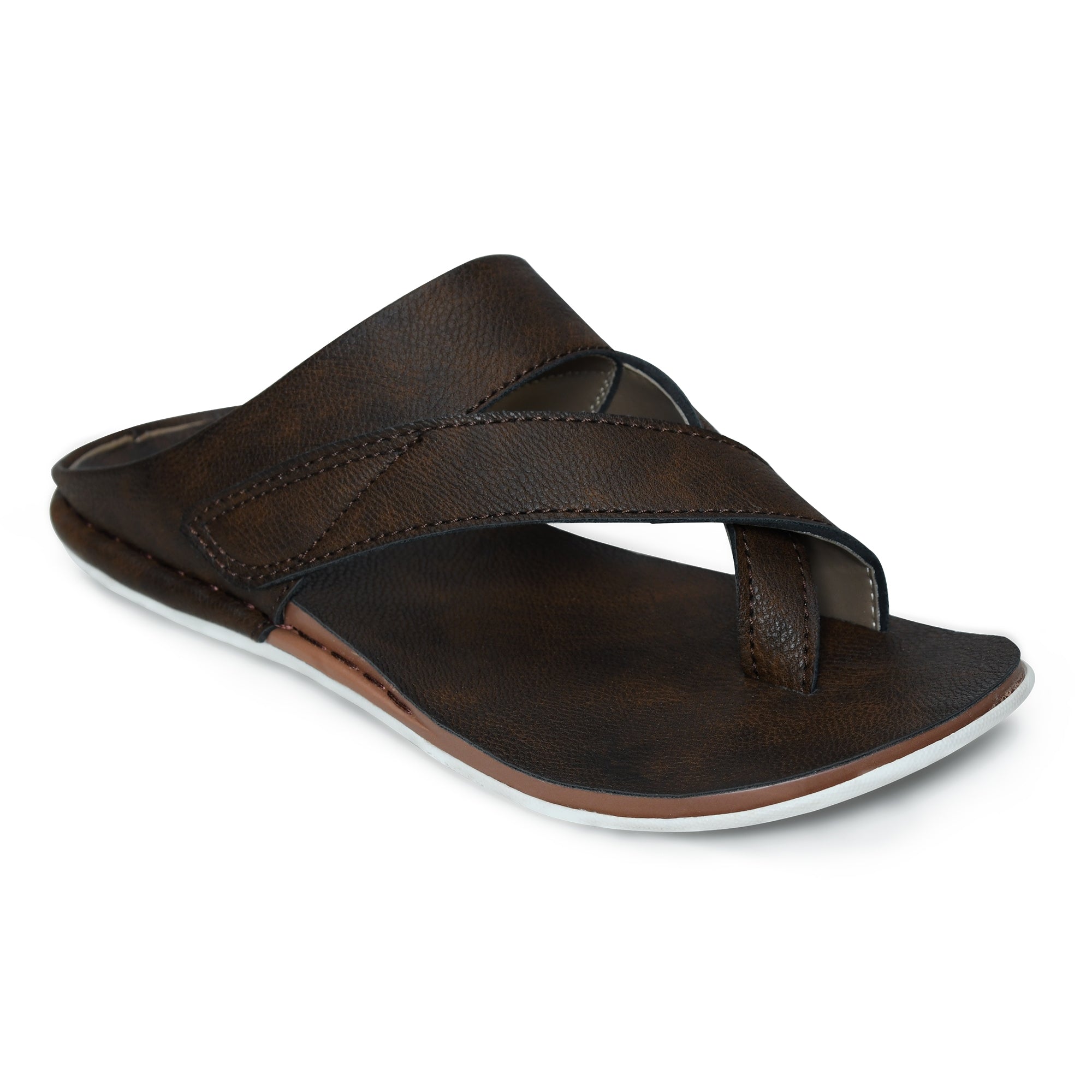
They were Kolhapuri chappals. Not inspired by them. Not vaguely similar to them. They were, to any Indian eye, the same sandal that millions of Indian men had grown up wearing — bought from local cobblers for a few hundred rupees, worn to festivals, markets, and family functions across the country.
Prada had listed them simply as 'leather sandals'. No mention of Kolhapur. No mention of Maharashtra. No mention of the artisans whose ancestors had been making this exact design for over 800 years.
What Happened Next
The backlash was swift and loud. Indian social media erupted. Politicians demanded action. A Public Interest Litigation was filed in the Bombay High Court. The Maharashtra Chamber of Commerce wrote a formal letter to Prada. Actor Kareena Kapoor posted a photo of her own traditional Kolhapuris on Instagram with the caption: 'Sorry not Prada… but my OG Kolhapuri.' The post went viral within hours.
Prada's Head of Corporate Social Responsibility, Lorenzo Bertelli, responded in writing, acknowledging that the sandals were inspired by traditional Indian handcrafted footwear with a centuries-old heritage. He expressed commitment to responsible design practices and opened dialogue with artisan communities in Maharashtra and Karnataka.
By December 2025, Prada had entered a collaboration with LIDCOM and LIDKAR — artisan groups representing the Kolhapuri chappal-making communities — to produce a limited-edition 'Made in India' collection. The sandals were unveiled on April 27, 2026, available in 40 Prada stores worldwide. The price: approximately USD 930, or around eighty-four thousand rupees.
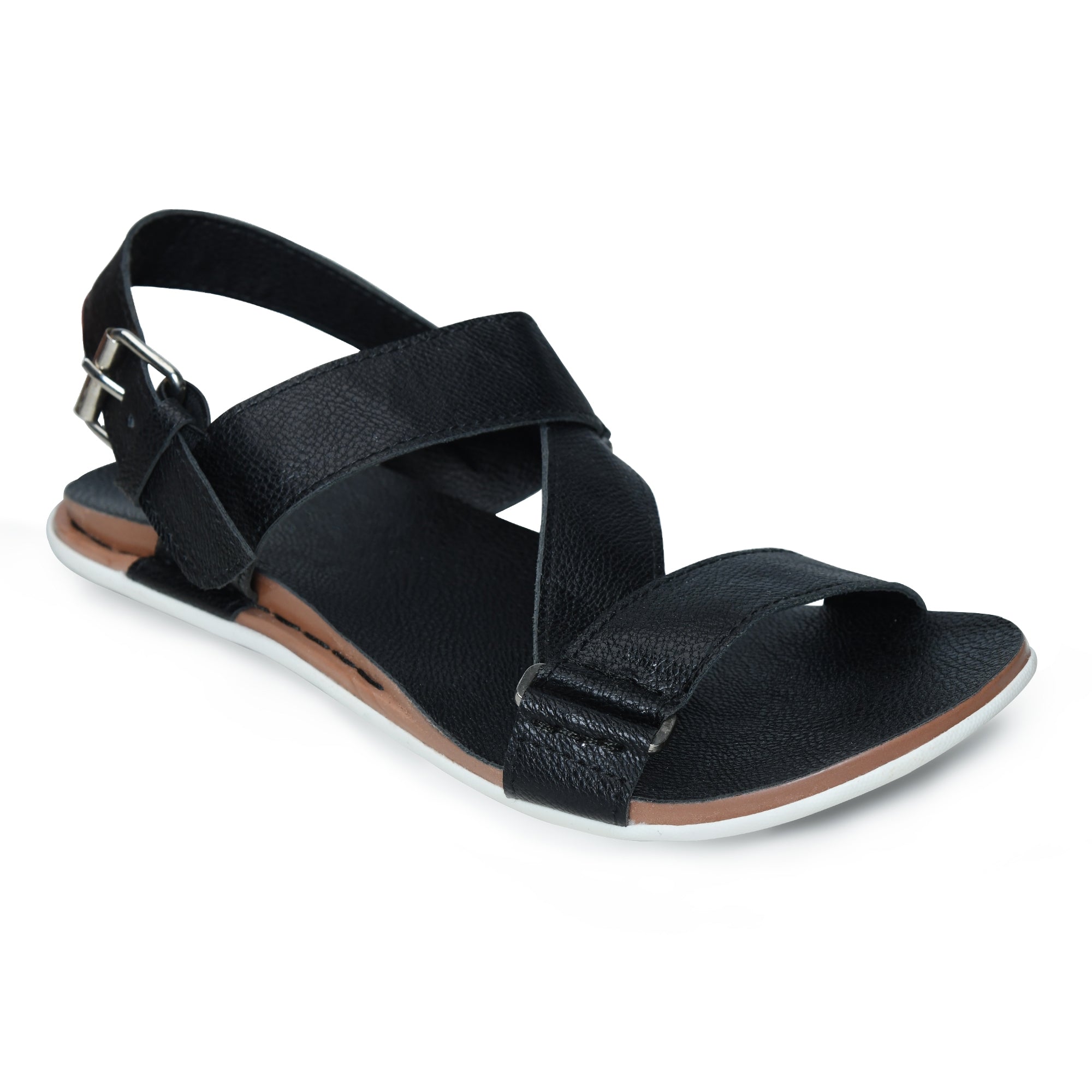
Browse our Kolhapuri chappal for men →
The 800-Year Heritage That Needed a Fashion Week Scandal to Go Global
The Kolhapuri chappal is not a recent design. Its origins trace back to the 12th century, when artisans in what is now Karnataka and Maharashtra began crafting leather sandals under the patronage of King Bijjala and his minister Basavanna. Over centuries, the craft spread, refined, and became synonymous with the region around Kolhapur in Maharashtra.
In 2019, the Government of India granted the Kolhapuri chappal a Geographical Indication (GI) tag — the same legal protection that applies to Darjeeling tea, Basmati rice, and Mysore silk. This tag means that only artisans from specific districts in Maharashtra and Karnataka can use the name 'Kolhapuri chappal' on their products. The craftsmanship is protected. The origin is recognised.
And yet, until a luxury Italian brand appeared to borrow the design without credit, most international conversations about fashion had never mentioned it.
The Numbers Behind the Story
The Kolhapuri artisan economy, as estimated in 2020, was worth around nine crore rupees annually, with more than ten thousand craftsmen involved in production. These artisans earn modest incomes, use traditional tools, and produce footwear that can take anywhere from hours to six weeks to complete depending on the complexity of the design.
When Prada's involvement generated global media coverage, online sales of authentic Kolhapuri chappals in India surged. Indian consumers began searching for the real thing. That surge was not driven by marketing or advertising — it was driven by cultural pride and a moment of collective recognition.
Explore our authentic handcrafted Indian footwear →
The Real Question: Who Benefits?
The collaboration between Prada and Indian artisan cooperatives is, by most accounts, a genuine step forward. Artisan communities in Maharashtra have spoken of hopes that the partnership will raise incomes, attract younger people to the trade, and give the craft international visibility it has long deserved.
But the question that remains is whether a luxury collaboration producing a limited run of sandals priced at eighty-four thousand rupees meaningfully changes the day-to-day reality of the craftsmen who have been making this footwear for generations. The answer is complicated.
International validation matters. Cultural recognition matters. But what sustains an artisan economy is consistent, year-round demand at fair prices — not a single luxury launch available to a fraction of a percent of the world's population.
What You Can Do Right Now
The most direct way to support Indian ethnic footwear heritage is to buy it. Not from a luxury brand in a foreign country. From Indian brands, at Indian prices, that source from or are rooted in the craft tradition.
At STEPSOFT, our Kolhapuri chappal collection carries the same 800-year heritage. Premium materials. Traditional design. Delivered to your door at prices that reflect what this craft is actually worth in the Indian market — not what a luxury markup makes it in Milan.
Shop our Kolhapuri collection — India's heritage, your price →