Makar Sankranti, celebrated on January 14 each year, is one of India's most widely observed festivals. Unlike most Hindu celebrations that follow the lunar calendar, Makar Sankranti is tied to the solar cycle — it marks the Sun's transition into Capricorn (Makara Rashi) and signals the beginning of the Uttarayan period, a six-month stretch considered auspicious across much of the Hindu tradition.
It is also a harvest festival. Across different states, it carries different names — Pongal in Tamil Nadu, Lohri in Punjab (celebrated the evening before), Magh Bihu in Assam, Uttarayan in Gujarat — but the underlying sentiment is the same: gratitude, community, and the beginning of longer, warmer days.
And while most conversations about Makar Sankranti attire focus on the kurta or the dhoti, the footwear is equally important. Here is everything you need to know.
Why the Festival Setting Demands Specific Footwear
Makar Sankranti celebrations typically involve outdoor settings — open grounds for kite flying in Gujarat, river ghats for the holy dip in the north, community melas across smaller towns, and family gatherings at homes. In January, the weather across North India is still cool, and the ground can range from grass to stone to packed earth.
The ideal footwear for this setting needs to be easy to remove (many rituals involve removing shoes before prayer), comfortable for long hours of standing and walking, and appropriate to the traditional attire most men choose for the occasion.
The Best Footwear for Makar Sankranti — Ranked
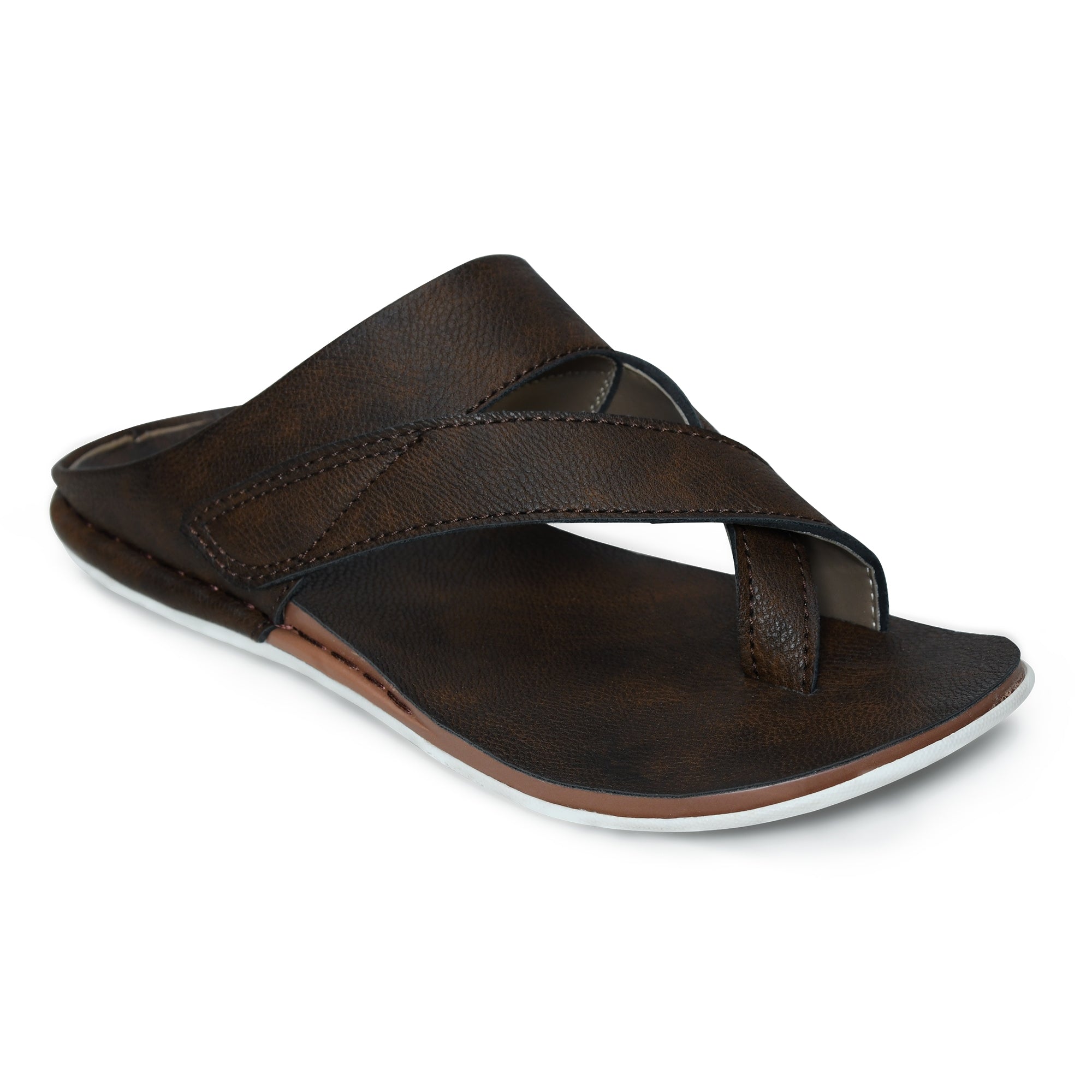
1. Kolhapuri Chappal — The strongest choice for Makar Sankranti. It pairs effortlessly with kurta-pyjama, dhoti, and even the more casual cotton kurtas that men across North and Central India favour for the festival. The slip-on design means it is easy to remove before rituals. The leather sole and traditional construction make it appropriate for outdoor surfaces.
Browse Kolhapuri chappal for men →
2. Juttis and Mojaris — The second strong option, particularly if the celebration involves a more formal gathering or a community event where dressing up is expected. A plain or lightly embroidered Jutti in tan, cream, or earthy brown pairs well with a white or saffron kurta.
Browse Juttis and Mojaris for men →
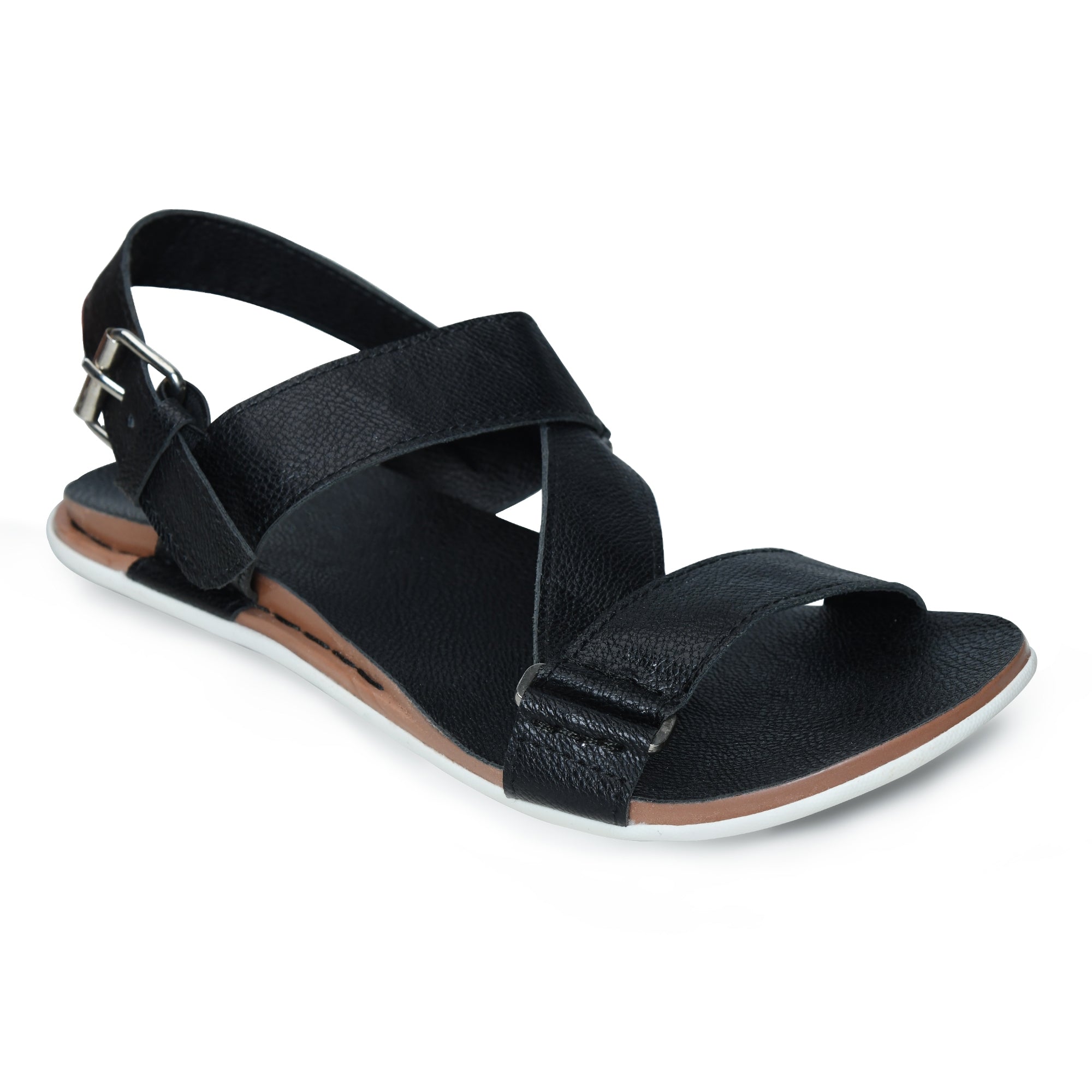
3. Simple Leather Slippers — The most comfortable choice for a long outdoor day where footwear will come on and off frequently. Less of a statement than the Kolhapuri, but entirely appropriate for a casual family celebration.
Outfit Pairing for Makar Sankranti
The most traditional pairing for North Indian celebrations is a white or off-white cotton kurta-pyjama with a Kolhapuri chappal in tan or brown leather. This combination is simple, grounded, and carries a quiet elegance that suits the spirit of the festival.
In Punjab, where Lohri is celebrated the evening before Makar Sankranti with bonfires and bhangra, a more festive pairing works better — a bright phulkari kurta or a Patiala-influenced outfit with a plain Jutti or Mojari. The footwear keeps the overall look grounded while the outfit does the expressive work.
In Gujarat, where Uttarayan centres on kite flying, practicality matters more than formality. A comfortable kurta, pyjama, and a pair of well-worn Kolhapuris or leather slippers is the standard — comfortable enough to wear all day on an open terrace, traditional enough to feel right for the occasion.
Cold January Weather and Leather Care
January in North India can be cold, particularly in the mornings. Open-toe footwear like Kolhapuris may feel slightly cool in very cold weather. If you are celebrating outdoors in a place where temperatures drop below 12 to 15 degrees Celsius in the morning, you may want to start with closed footwear and switch to your ethnic pair once the temperature has risen.
One important note for leather care in winter: dry air can cause leather to crack if it is not regularly conditioned. Before wearing your Kolhapuri for a long outdoor celebration, apply a thin layer of leather conditioner and allow it to absorb completely before putting them on.
Shop ethnic footwear for every festival →
Shop Festival-Ready Ethnic Footwear