Exceptional Customer Service @ 9336832036
Buy more save more - Buy 2 pairs — extra 10% off
Buy 1 Pair of Flip Flops, Get 1 Pair FREE!
Extra 5% OFF on Prepaid Orders + Free shipping
Exceptional Customer Service @ 9336832036
Buy more save more - Buy 2 pairs — extra 10% off
Buy 1 Pair of Flip Flops, Get 1 Pair FREE!
Extra 5% OFF on Prepaid Orders + Free shipping
Exceptional Customer Service @ 9336832036
Buy more save more - Buy 2 pairs — extra 10% off
Buy 1 Pair of Flip Flops, Get 1 Pair FREE!
Extra 5% OFF on Prepaid Orders + Free shipping
Exceptional Customer Service @ 9336832036
Buy more save more - Buy 2 pairs — extra 10% off
Buy 1 Pair of Flip Flops, Get 1 Pair FREE!
Extra 5% OFF on Prepaid Orders + Free shipping
Exceptional Customer Service @ 9336832036
Buy more save more - Buy 2 pairs — extra 10% off
Buy 1 Pair of Flip Flops, Get 1 Pair FREE!
Extra 5% OFF on Prepaid Orders + Free shipping
Exceptional Customer Service @ 9336832036
Buy more save more - Buy 2 pairs — extra 10% off
Buy 1 Pair of Flip Flops, Get 1 Pair FREE!
Extra 5% OFF on Prepaid Orders + Free shipping
Exceptional Customer Service @ 9336832036
Buy more save more - Buy 2 pairs — extra 10% off
Buy 1 Pair of Flip Flops, Get 1 Pair FREE!
Extra 5% OFF on Prepaid Orders + Free shipping
Exceptional Customer Service @ 9336832036
Buy more save more - Buy 2 pairs — extra 10% off
Buy 1 Pair of Flip Flops, Get 1 Pair FREE!
Extra 5% OFF on Prepaid Orders + Free shipping
Exceptional Customer Service @ 9336832036
Buy more save more - Buy 2 pairs — extra 10% off
Buy 1 Pair of Flip Flops, Get 1 Pair FREE!
Extra 5% OFF on Prepaid Orders + Free shipping
Exceptional Customer Service @ 9336832036
Buy more save more - Buy 2 pairs — extra 10% off
Buy 1 Pair of Flip Flops, Get 1 Pair FREE!
Extra 5% OFF on Prepaid Orders + Free shipping
Peshawari Sandals for Men: A Practical Buying Guide
Hammad Shahid
0 comments
Choose Peshawari sandals for men by checking four things on the exact listing: toe coverage, strap and closure design, selectable size, and the stated upper material. Do not assume every pair called “Peshawari” has the same construction or fit. STEPSOFT’s current catalogue includes closed-toe cross-strap styles with different product wording, so the safest buying method is to compare each page rather than rely on a generic rule.
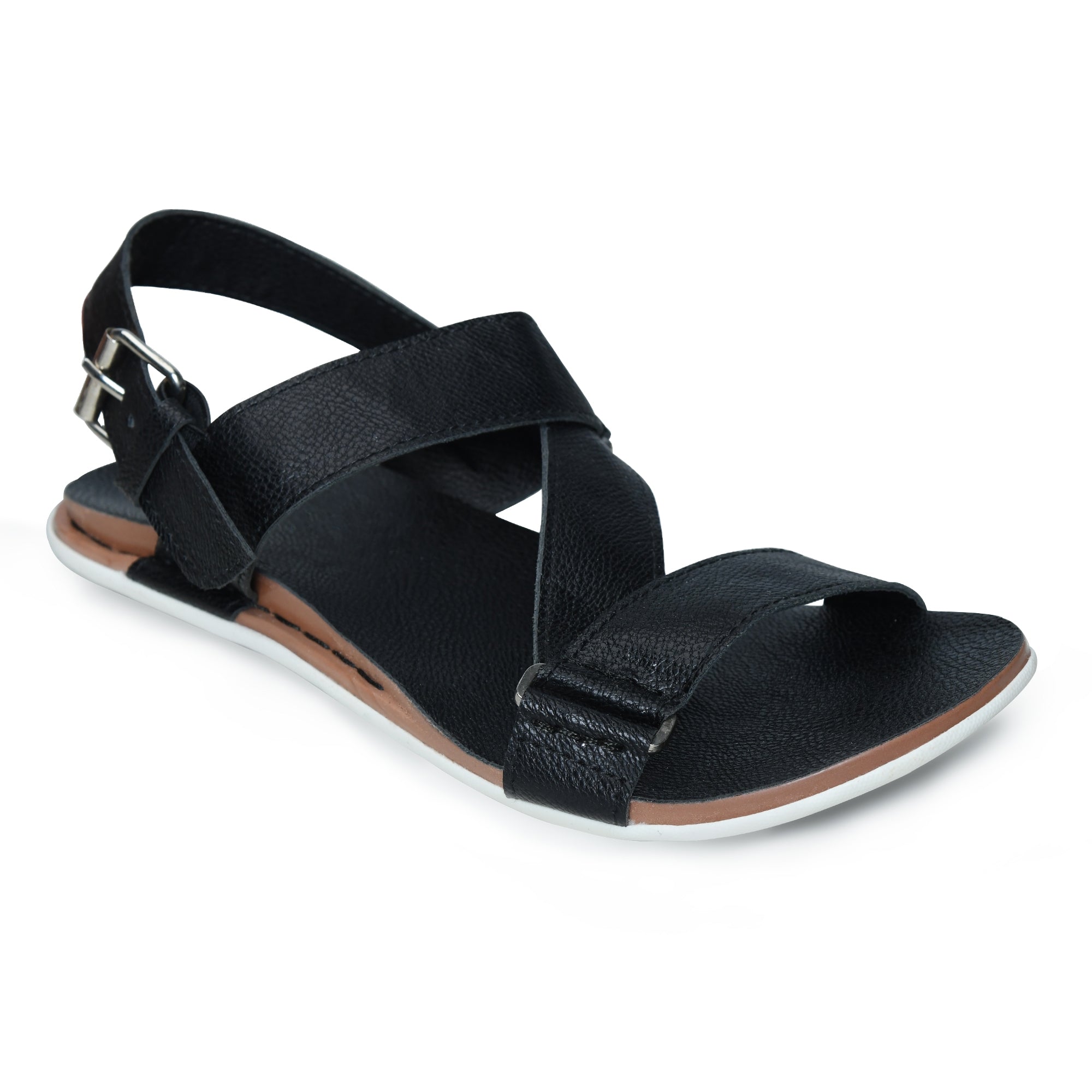
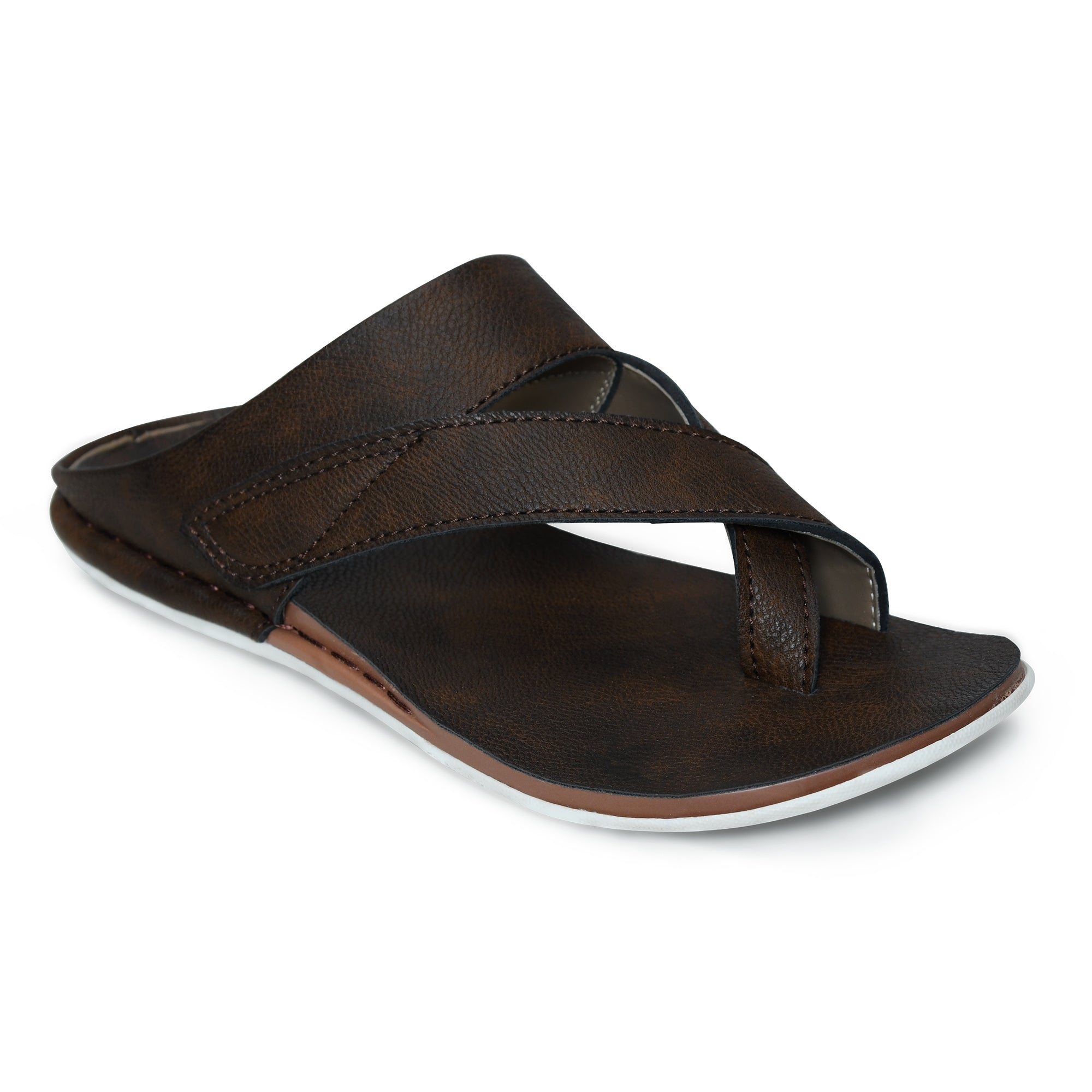
A current STEPSOFT P1 listing shown as a visual example. Confirm the live product details, size and availability before choosing.
What are Peshawari sandals?
In current retail use, “Peshawari sandal” commonly describes men’s ethnic footwear with a broad upper, crossed or interlocking straps and an enclosed or partly enclosed front. The label is not a technical specification. Two products with the same category name may differ in upper wording, closure, lining, sole pattern, colour range and internal shape.
This guide owns the intent “how to choose Peshawari sandals.” If you are deciding between categories, use the separate Peshawari sandal vs Kolhapuri chappal guide so the comparison question stays on one canonical page.
Peshawari sandal selector
Decision
What to inspect
Why it matters
Toe coverage
Front view and side view
Shows how much of the toes and forefoot are enclosed
Foot hold
Cross straps, back strap and buckle or fastening shown
Helps you judge how the pair is secured
Material wording
Exact product title, description and specification area
Category names do not prove upper composition
Fit evidence
Selectable size, shape of the front and return terms
A size number alone cannot describe width or internal volume
Outfit match
Colour, finish and visible hardware
These details affect how the pair looks with a kurta, pajama or trousers
Open-looking versus closed-toe Peshawari shapes
Product photographs are more useful than category assumptions. A closed-toe profile covers more of the front and creates a shoe-like outline. A more open front reveals more of the forefoot. Neither is automatically better; choose according to the outfit, the amount of coverage you want and the exact fit of the pair.
Use the front image to inspect coverage, strap placement and toe shape. The image does not establish material or performance.
How to read a product page without over-assuming
Start with the product title, then verify the description. If the material wording conflicts within a listing, do not infer which statement is correct; ask for clarification before relying on it.
Review several images. Front, side and sole photographs answer different questions. A lifestyle image can show proportion, but it does not prove fit.
Check the live size selector. Treat available sizes as product options, not as a universal UK/EU/US conversion.
Check availability for the selected combination. A colour shown in photography may not be available in every size.
Read the current policy. Keep packaging and use the STEPSOFT return and refund policy if an indoor fit check shows the pair is unsuitable.
Closed front, cross-strap upper and a broader colour presentation
Material description: the live page has used inconsistent wording, so verify it rather than assume
The examples are included to show how to inspect current catalogue evidence. They are not a claim that one style is universally more comfortable, durable or suitable for every occasion.
A side profile helps reveal strap position, front coverage and sole thickness more clearly than a single top view.
Indoor Peshawari fit checklist
Try both feet on a clean indoor surface.
Check that the toes are not pressed against the front.
Check that the cross straps do not pinch the instep while standing.
Walk, turn and sit; note heel movement rather than assuming the pair will “break in.”
If there is an adjustable fastening, test more than one position without forcing it.
Do not keep a pair on the promise that every upper will stretch by a fixed amount.
Match the pair to a kurta-pajama outfit
Use colour and visual weight as the first filters. A quieter brown, tan or black pair can support a detailed kurta; a more decorative upper can work with a simpler outfit. Compare the hem length with the shoe profile and check the complete look in natural light. For outfit-specific guidance, use the men’s footwear with kurta-pajama guide.
Ready to compare current options? Open both product pages above in separate tabs, select your intended size and compare the front, side and fastening images. That produces a more reliable shortlist than choosing from the category name alone.
Customer questions
Are all Peshawari sandals made from leather?
No assumption should be made from the style name. Read the exact listing’s material field and description; if they conflict, seek clarification before ordering.
Should Peshawari sandals be one size larger?
Not by default. Use the exact product’s size options and an indoor fit check because shapes and internal volume vary.
Can Peshawari sandals be worn with kurta pajama?
They can be considered for ethnic outfits when the colour, toe coverage and visible finish suit the garment. Check the complete outfit rather than relying on a universal rule.
What is the difference between Peshawari sandals and Kolhapuri chappals?
Current Peshawari listings commonly show broader cross straps and more front coverage, while Kolhapuri-style listings often show an open toe and toe-loop or strap arrangement. Product construction varies, so compare exact listings.
How do I check Peshawari sandals online?
Review front, side and sole images; confirm material wording, selectable size and availability; then test both feet indoors while the pair remains return-eligible.
How this guide was prepared
This guide was reviewed by Hammad Shahid for STEPSOFT on 23 September 2026 using the live P1 and P2 product pages, current catalogue images, Search Console page data and the existing STEPSOFT intent map. Authorship and methodology attribution were confirmed on 26 September 2026. Claims that were not supported at exact-product level—including universal leather, handmaking, origin, break-in, comfort and durability claims—were removed. Prices were not quoted because they can change.